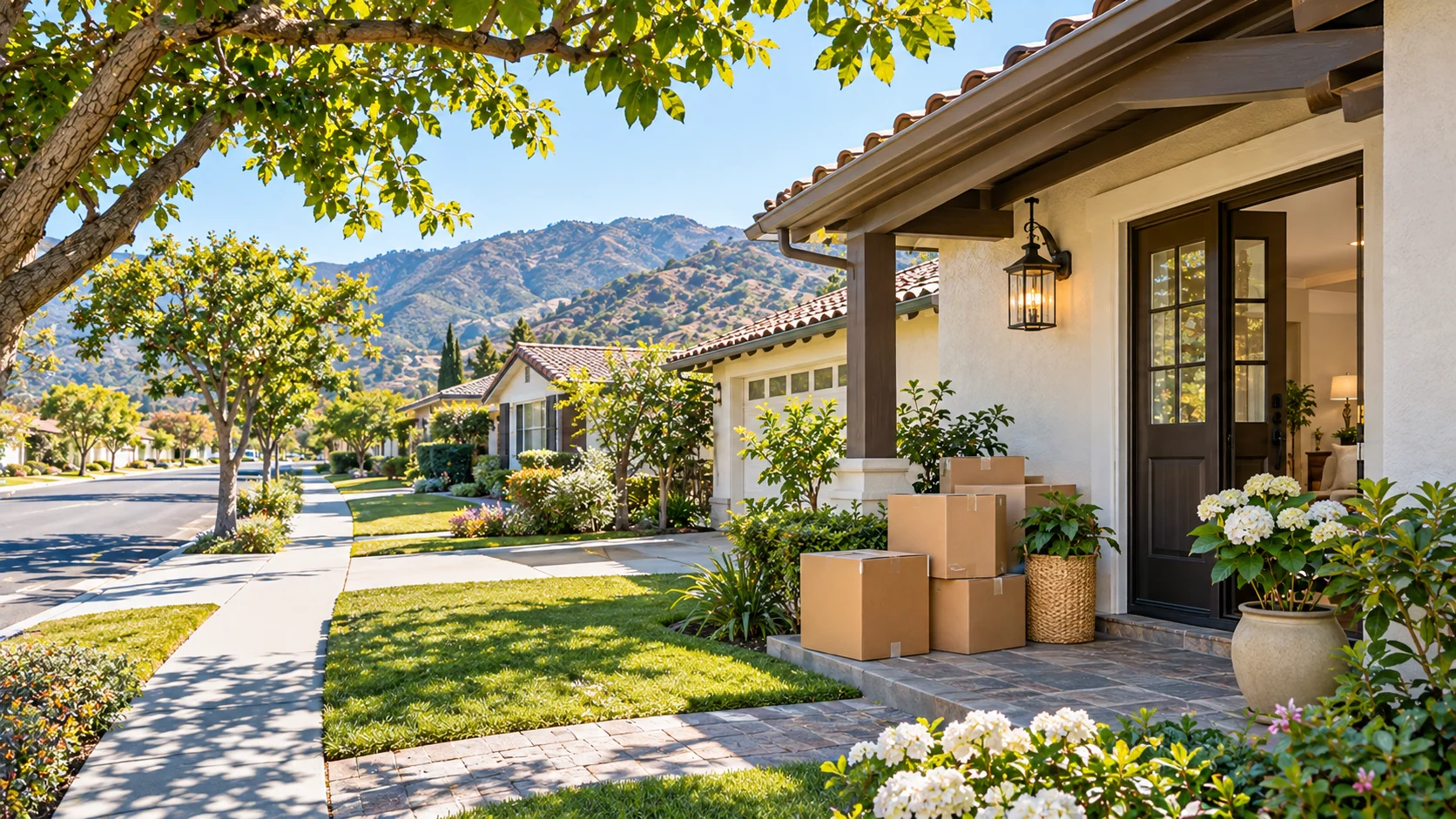

Buying a home in the San Gabriel Valley involves more than saving for a down payment. Buyers should also prepare for closing costs and other expenses that arise during the purchase process.
These costs can include lender fees, appraisal charges, inspections, title and escrow expenses, prepaid items, and other transaction-related charges. The exact amounts vary based on the property, loan, service providers, contract terms, and timing of the transaction.
Understanding these expenses early can help buyers plan their finances more realistically. It can also reduce the chance of being surprised by costs shortly before closing.
Nick and Katie Manes of The Manes Team work with buyers and sellers in Pasadena, Sierra Madre, Arcadia, and the broader San Gabriel Valley. Their local real estate experience can help buyers navigate the purchase process and understand the different steps involved.
This guide explains common closing cost categories, what buyers should ask their lender and escrow provider, and how to prepare a budget beyond the down payment.
What Are Closing Costs When Buying a Home?
Closing costs are expenses associated with completing a real estate transaction. They are separate from the purchase price and down payment.
Closing Costs vs. Down Payment
The down payment is the portion of the purchase price the buyer contributes toward the home rather than financing through a mortgage.
Closing costs cover services and expenses associated with arranging the loan, transferring ownership, completing the transaction, and handling certain prepaid items.
A buyer should plan for both amounts when determining how much cash may be needed to complete the purchase.
Why Closing Costs Vary
There is no single closing cost amount that applies to every San Gabriel Valley purchase.
Expenses may depend on:
- Purchase price.
- Loan type and lender.
- Down payment.
- Property characteristics.
- Inspection requirements.
- Title and escrow arrangements.
- Insurance requirements.
- Contract terms.
- Applicable taxes and recording charges.
- Closing date.
Two buyers purchasing properties at similar prices may have different closing expenses because their financing and transaction details differ.
When Buyers Typically Pay Closing Costs
Some expenses may be due before closing, while others are included in the final settlement.
For example, buyers may pay for inspections or an appraisal during the transaction. Other charges may appear on the closing disclosure or settlement statement.
Ask your lender and escrow provider which costs are due, when they are due, and how they will be collected.
Request a Personalized Estimate
Online calculators can provide general illustrations, but they cannot replace a transaction-specific estimate.
Ask your lender for a loan estimate and review the projected costs. As the transaction progresses, compare updated figures with the final closing disclosure.
Your lender and escrow provider can explain which charges are estimates and which are final amounts.
Common Closing Cost Categories for San Gabriel Valley Buyers
Understanding the major expense categories can make it easier to review estimates and ask useful questions.
Lender and Loan Fees
When financing a purchase, buyers may encounter fees associated with the mortgage application and loan processing.
Depending on the lender and loan structure, these may include:
- Loan origination charges.
- Application or processing fees.
- Underwriting fees.
- Credit report charges.
- Other lender-related expenses.
Ask your lender for an itemized explanation of each charge. Loan terms and fees can differ, so compare offers carefully.
Appraisal Costs
A lender may require an appraisal to evaluate the property’s value for lending purposes.
The appraisal is intended to provide an independent valuation for the lender’s process. It is not a substitute for a home inspection.
Ask your lender when the appraisal fee is due and whether any additional valuation-related charges may apply.
Home Inspection Expenses
Buyers commonly arrange inspections to understand the property’s condition.
Potential inspection expenses may include:
- General home inspection.
- Pest or wood-destroying organism inspection.
- Roof evaluation.
- Sewer line inspection.
- Structural assessment.
- Pool inspection.
- Other specialist reviews.
Not every property requires every inspection. The appropriate scope depends on the home and any concerns identified during due diligence.
Title and Escrow Charges
Title and escrow services help coordinate important parts of the transaction.
Depending on the contract and transaction arrangements, charges may relate to title searches, title insurance, escrow services, document handling, and other services.
Ask the escrow and title providers for an itemized estimate and clarification of which party is responsible for each expense under the agreement.
Recording and Government Charges
Certain documents may need to be recorded with the appropriate government office.
Recording fees and other applicable government charges can depend on the documents and local requirements.
The escrow or title provider can help identify expected charges for the transaction.
Property Taxes and Prepaid Items
At closing, buyers may need to account for prepaid expenses or adjustments.
These can include property tax prorations, prepaid insurance, and other items depending on the loan and transaction.
The timing of the closing can influence the amounts involved. Ask the escrow provider to explain how taxes and other adjustments are calculated.
Homeowners Insurance
If the purchase is financed, the lender will generally require appropriate insurance coverage.
The cost depends on the property, coverage, insurer, and other risk factors.
Buyers should obtain insurance quotes early enough to understand availability, coverage terms, and payment requirements before closing.
HOA-Related Charges
If buying a condominium or property in a homeowners association, there may be association-related charges.
These could include regular assessments, transfer-related fees, document charges, or other costs depending on the community and transaction.
Review the association documents and ask which fees are payable at closing and which will be recurring after purchase.
Other Property-Specific Expenses
Some transactions involve additional expenses based on the property.
For example, a home with specialized systems or unusual features may require extra inspections. A property with particular title or access matters may involve additional professional review.
Ask questions about any charge that is unfamiliar or not clearly explained.
How to Budget for Closing Costs Beyond Your Down Payment
A practical budget should account for both expected transaction expenses and possible changes during the purchase process.
Start With Your Lender’s Estimate
Request an itemized estimate from your lender early in the process.
Review the projected loan costs, prepaid expenses, and other charges. Ask which items may change and what factors could affect the final amount.
If comparing lenders, review the complete loan terms rather than focusing only on one fee or interest rate.
Include Inspections and Due Diligence
Inspection expenses may be paid before closing and may not appear in the same way as final settlement charges.
Create a separate budget category for inspections and any specialist evaluations that may be appropriate.
Do not skip important due diligence simply to reduce short-term expenses without understanding the potential risks.
Plan for Insurance and Property Taxes
Contact insurance providers before finalizing the purchase.
Ask about the coverage required, premium, payment schedule, and any property-specific issues that may affect availability.
For property taxes, understand the current assessment and ask how tax prorations and future bills may affect your budget. Consult the appropriate tax professional if you need help evaluating tax implications.
Keep Funds Available for Unexpected Changes
Transaction costs can change as details are confirmed.
An inspection may identify a need for specialist evaluation. A lender may update figures after reviewing documentation. Insurance costs may differ from initial estimates.
Maintain a financial cushion where possible so that changes do not create unnecessary pressure.
Understand Seller Credits and Negotiated Terms
In some transactions, the parties may negotiate credits or other contributions toward eligible costs.
Whether this is possible and how much may be contributed depends on the contract, lender rules, loan program, and applicable requirements.
Do not assume that a seller will pay a particular expense. Discuss potential arrangements with your real estate professional and lender before relying on them.
Review the Closing Disclosure
For many mortgage transactions, the lender provides a Closing Disclosure before completion.
Review it carefully and compare it with earlier estimates. Ask your lender or escrow provider to explain any unexpected changes.
Confirm the amount needed to close and follow the verified payment instructions provided through secure channels.
Protect Yourself Against Payment Fraud
Real estate transactions can involve significant financial transfers.
Be cautious about last-minute changes to wire instructions or requests to send funds to unfamiliar accounts.
Verify payment instructions independently using a trusted phone number you already know. Do not rely solely on emailed changes to wiring details.
Planning a Successful Home Purchase in the San Gabriel Valley
Closing costs are only one part of the buying process. A complete financial plan should account for the property, financing, and future ownership responsibilities.
Compare Total Purchase Affordability
A property may fit your target purchase price but still be difficult to afford once taxes, insurance, utilities, and maintenance are included.
Consider the total monthly cost and the cash required to complete the purchase.
Work with your lender and financial adviser to understand the impact of different down payments, loan structures, and interest rates.
Ask Questions Early
Do not wait until the final days before closing to understand the costs.
Ask about lender fees, inspection payments, title expenses, insurance, prepaid items, and association charges early enough to plan.
Keep a record of estimates and updated figures as the transaction progresses.
Review the Contract Carefully
The purchase agreement can allocate certain expenses between the parties.
Understand which charges the buyer is expected to pay and which may be negotiated. If a contractual term is unclear, seek clarification from your real estate professional or qualified attorney.
Coordinate With the Transaction Team
The lender, escrow provider, title company, insurance provider, and real estate professionals each handle different parts of the process.
Respond promptly to requests and keep documentation organized. This can help reduce delays and clarify what remains outstanding.
Plan for Expenses After Closing
Once you own the home, you will need funds for maintenance and unexpected repairs.
Set aside a reserve appropriate to your financial circumstances and the condition of the property.
This is especially important when buying an older home or a property with major systems that may need attention.
Frequently Asked Questions About San Gabriel Valley Closing Costs
1. How much are closing costs when buying a home in the San Gabriel Valley?
The amount varies by purchase price, loan, lender, title and escrow services, inspections, taxes, insurance, and contract terms. Request a personalized estimate from your lender and escrow provider.
2. Are closing costs separate from the down payment?
Yes. The down payment is the buyer’s contribution toward the purchase price, while closing costs cover transaction-related expenses and certain prepaid items.
3. Can a seller pay some of the buyer’s closing costs?
Seller contributions may be negotiated in some transactions, subject to contract terms, lender requirements, and applicable limits. Confirm eligibility with your lender before relying on a seller credit.
4. What is included in a buyer’s closing costs in California?
Potential expenses include lender charges, appraisal, title and escrow services, recording fees, inspections, insurance, property tax adjustments, and other prepaid items. The exact list depends on the transaction.
5. When will I know the exact amount I need to bring to closing?
Your lender and escrow provider will provide updated figures as the transaction progresses. Review the Closing Disclosure and final settlement information, and verify payment instructions securely before transferring funds.
Prepare Your San Gabriel Valley Homebuying Budget
Understanding closing costs can help you plan beyond the down payment and approach the purchase with greater financial clarity. Requesting itemized estimates, reviewing updated disclosures, and asking questions early can make the process easier to manage.
Contact Nick and Katie Manes of The Manes Team to discuss buying a home in the San Gabriel Valley, compare property options, and navigate the purchase process.