Bungalow Heaven is one of Pasadena’s distinctive residential neighborhoods, recognized for its collection of early twentieth-century homes and its architectural character. For buyers who appreciate historic properties, traditional craftsmanship, and established residential surroundings, the neighborhood may be worth exploring.
However, buying a home in a historic neighborhood involves more than finding an attractive bungalow. Buyers should consider the property’s condition, architectural details, maintenance needs, renovation history, and any requirements that may affect future improvements. They should also take time to understand the neighborhood itself and determine whether its housing styles and residential setting fit their lifestyle.
Pasadena offers a variety of residential environments, and Bungalow Heaven has a character that differs from neighborhoods dominated by newer construction or more contemporary home designs. Its historic homes can be appealing, but older properties may also require additional investigation before a purchase.
Nick and Katie Manes of The Manes Team serve buyers and sellers in Pasadena, Sierra Madre, Arcadia, and the broader San Gabriel Valley. Their local real estate experience can help prospective buyers compare neighborhoods, evaluate individual properties, and navigate the steps involved in purchasing a home.
This guide explores Bungalow Heaven’s architecture, historic character, residential lifestyle, and important considerations for buyers.
Understanding Bungalow Heaven’s History and Neighborhood Character
Bungalow Heaven is closely associated with Pasadena’s residential development during the early twentieth century. Its collection of historic homes gives the neighborhood a recognizable architectural identity and distinguishes it from areas with predominantly newer housing.
A Neighborhood Known for Historic Bungalows
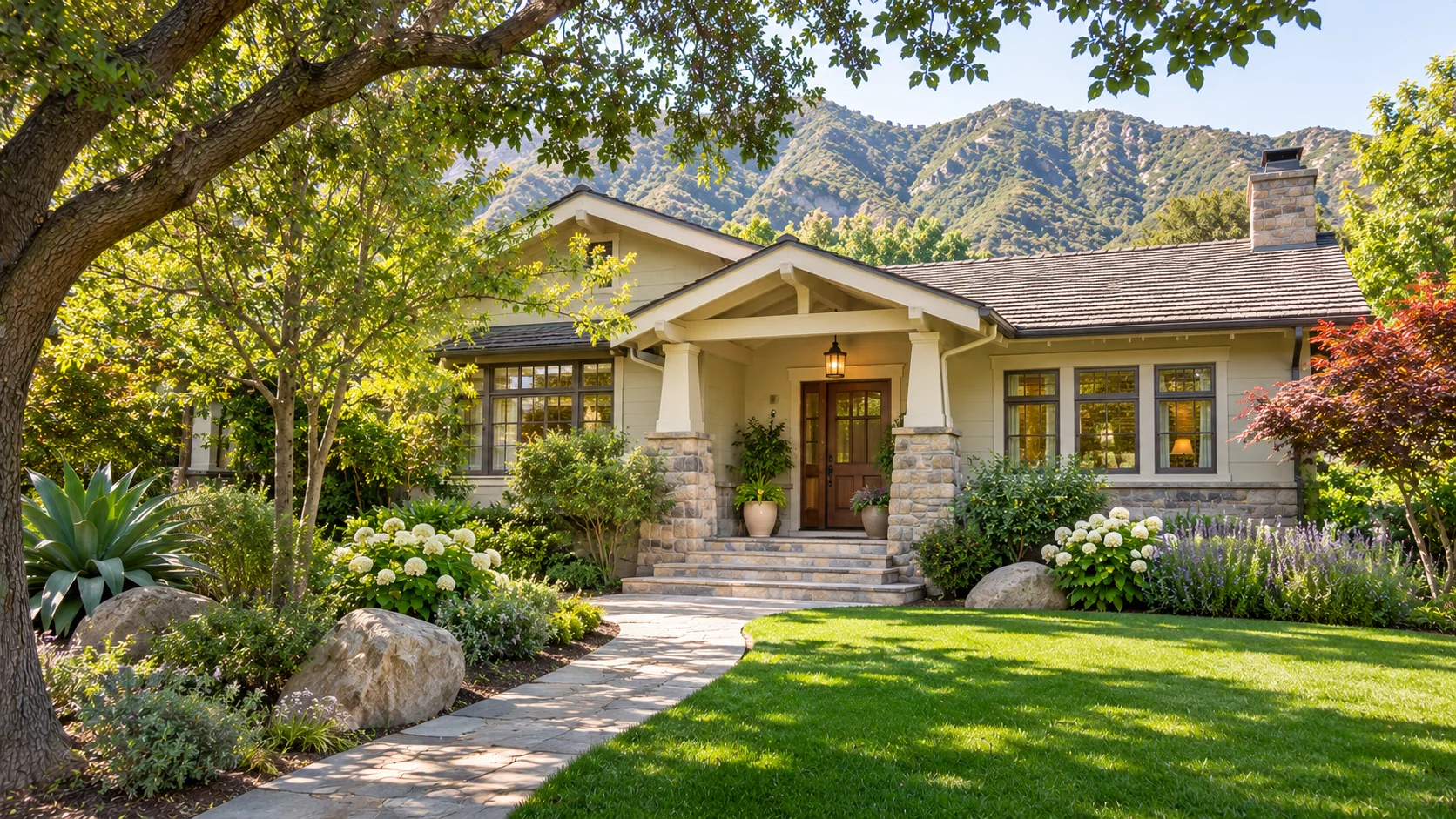
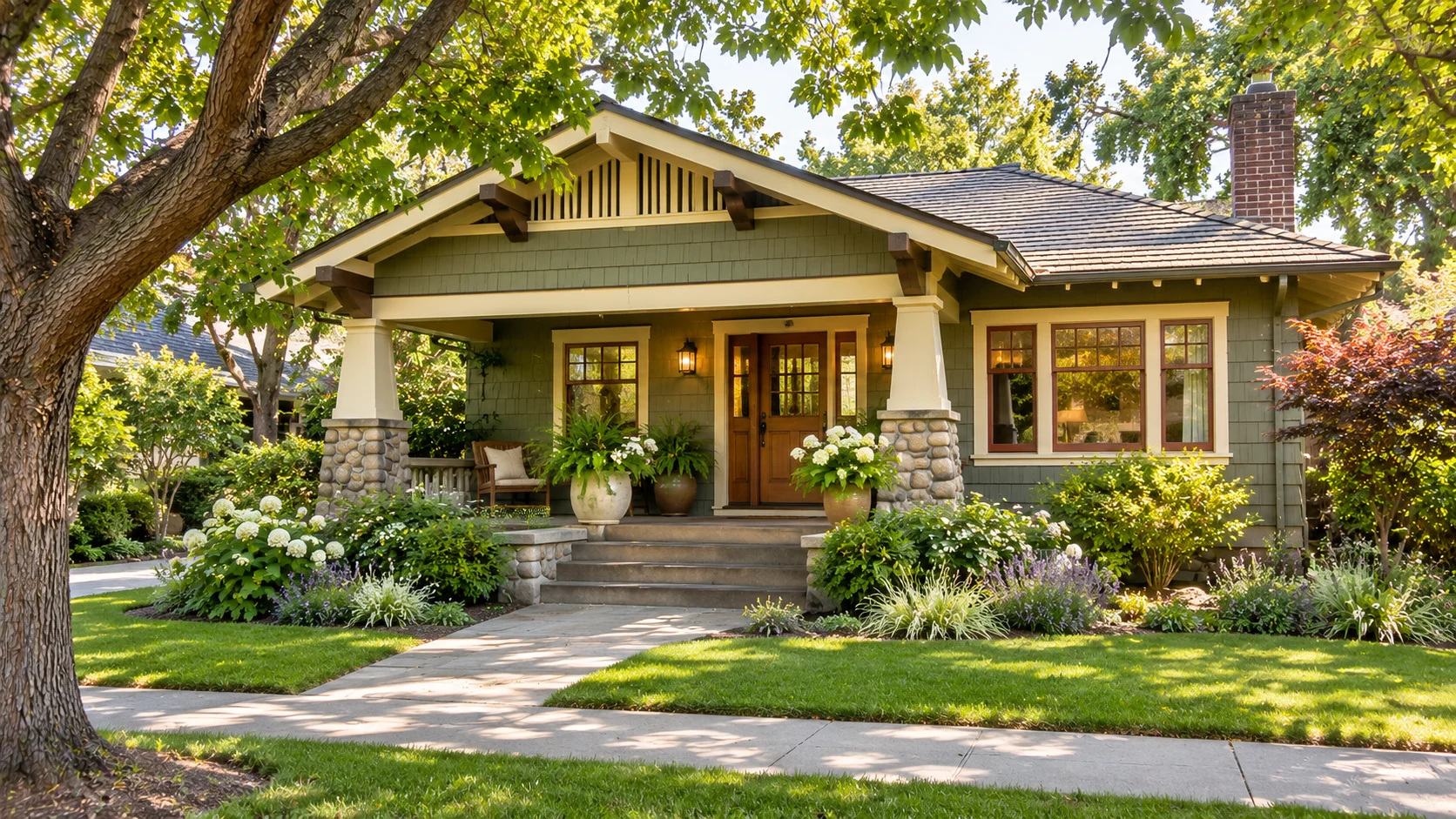
The bungalow is a residential architectural style commonly associated with practical floor plans, lower-scale designs, and a relationship between indoor living areas and outdoor spaces.
In Bungalow Heaven, buyers may encounter homes with features such as:
- Broad or welcoming front porches.
- Low-pitched rooflines.
- Exposed structural or decorative details.
- Wood siding and traditional exterior materials.
- Built-in cabinetry and interior woodwork.
- Distinctive windows and trim.
- Living spaces that reflect the home’s original period.
Not every property will have all of these characteristics. Homes may also have been remodeled, expanded, or altered over time.
For buyers, the appeal often lies in the combination of architectural character and an established residential setting. A bungalow may offer details that are difficult to replicate in newer construction, but those features should be evaluated in the context of the home’s present condition.
Pasadena’s Architectural Heritage
Pasadena has a well-known architectural history, with residential properties reflecting different periods and design traditions. Bungalow Heaven contributes to that heritage through its concentration of historic residential architecture.
The neighborhood’s appeal is not limited to individual buildings. The overall streetscape, the relationship between houses and their lots, and the presence of established landscaping can all contribute to its character.
Buyers who appreciate historic architecture may enjoy exploring the differences between properties rather than expecting every bungalow to have the same design. Two homes built during similar periods may have different floor plans, exterior details, additions, and levels of preservation.
Historic Character and Community Identity
Historic neighborhoods can develop a strong sense of identity around their architecture and shared residential character. In Bungalow Heaven, the presence of historic homes is an important part of how the neighborhood is recognized.
Buyers should distinguish between general neighborhood character and the legal status of an individual property. A home’s age or architectural style does not automatically establish that it has a particular historic designation or that specific restrictions apply.
If preservation status or renovation requirements are important to your purchase decision, verify the property’s designation and applicable rules through the appropriate City of Pasadena resources.
What Buyers Should Notice During a Neighborhood Visit
A neighborhood visit can reveal details that are difficult to understand through online listing photographs.
Walk or drive through the area at different times when practical. Observe the architecture, street layout, landscaping, parking arrangements, and general residential environment.
Consider:
- Whether the streetscape appeals to you.
- The variety of architectural styles.
- The relationship between homes and outdoor spaces.
- The property’s immediate surroundings.
- Parking and access arrangements.
- The general maintenance of nearby properties.
- How the neighborhood fits your everyday routine.
A neighborhood should be evaluated as part of the purchase rather than treated as a background detail.
Architectural Features and What to Examine Before Buying
Historic architecture can be a major attraction, but older homes require a thoughtful review of their physical condition. Buyers should understand which features are original, which have been replaced, and whether later improvements have been completed appropriately.
Original Woodwork and Interior Details
Some historic bungalows retain interior features that contribute to their character. These may include built-in cabinets, wood trim, doors, flooring, and decorative details.
During a showing, look closely at the condition of these elements. Check for visible damage, signs of wear, and evidence of previous repairs.
If original materials are important to you, ask what is believed to be original and what has been replaced. Sellers may have records or photographs documenting earlier improvements, but buyers should verify important claims where possible.
Restoring historic materials may require specialized skills. Before planning changes, consider consulting contractors who have experience with older residential properties.
Floor Plans and Modern Living Needs
Historic homes were often designed around household needs that differ from those of contemporary buyers. A bungalow may have smaller rooms, different storage arrangements, or a layout that separates spaces more than a newer open-plan home.
Consider whether the existing arrangement supports your lifestyle.
Questions to ask include:
- Does the home have enough bedrooms for your needs?
- Is there sufficient storage?
- Does the kitchen function well for your household?
- Are the living and dining spaces practical?
- Is there a suitable workspace?
- Are bathrooms located conveniently?
- Can the home accommodate your anticipated changes in household needs?
A property may have charm and architectural interest but still require adjustments to suit your daily routine.
Kitchens and Bathrooms
Kitchens and bathrooms are often areas where historic homes have undergone significant changes.
Some properties may retain older fixtures and finishes, while others may have been updated. Buyers should assess the condition and functionality of these spaces rather than assuming that an older or newer appearance indicates quality.
Review cabinetry, plumbing fixtures, ventilation, flooring, electrical components, and visible signs of moisture. If substantial remodeling has occurred, ask about permits and supporting documentation where applicable.
A qualified inspector or contractor can help identify issues that may not be obvious during a showing.
Roofs, Foundations, and Major Systems
The age of a home makes it especially important to investigate major building components.
Arrange an appropriate home inspection and pay attention to:
- Roof condition and remaining service life.
- Foundation and visible structural conditions.
- Electrical systems.
- Plumbing and drainage.
- Heating and cooling equipment.
- Windows and exterior doors.
- Signs of moisture intrusion.
- Attic and crawl-space conditions, where accessible.
- Evidence of past repairs or modifications.
An inspector may recommend further evaluation by a specialist. Buyers should take those recommendations seriously, particularly when a concern could affect safety, structural integrity, or future costs.
Additions and Remodeling History
Older homes may have been expanded to provide more living space. Additions can improve functionality, but buyers should understand when the work was completed and whether appropriate approvals were obtained.
Ask for available permits, plans, contractor information, and records of major improvements. If an addition is important to the property’s value or your intended use, verify its status through the appropriate municipal department.
Do not assume that a finished room, converted garage, or expanded living area is automatically permitted or approved for every intended use.
Historic Preservation Considerations
Some properties in historic areas may be subject to preservation rules or review requirements. The details depend on the property’s designation and the applicable local regulations.
Before planning exterior changes, additions, demolition, or other substantial work, buyers should investigate whether any restrictions apply.
The City of Pasadena is the appropriate source for current information about local historic preservation programs and property-specific requirements. A qualified architect, contractor, or real estate attorney may also be helpful when a proposed project involves complex questions.
Living in Bungalow Heaven: Lifestyle and Everyday Considerations
A neighborhood’s appeal depends on more than architecture. Buyers should think about how a home and its surroundings fit into everyday life, including transportation, shopping, recreation, household routines, and maintenance responsibilities.
Residential Setting and Streetscape
Bungalow Heaven’s established residential character may appeal to buyers who prefer historic homes and traditional neighborhood settings.
As you explore the area, consider the property’s position on the street, the amount of outdoor space, the surrounding homes, and the overall layout of the block.
Visit the specific property rather than relying on broad descriptions of the neighborhood. Conditions can differ from one street to another, and individual homes may have very different surroundings.
Outdoor Spaces and Landscaping
Outdoor areas can be an important part of bungalow living. Depending on the property, a home may include a front porch, backyard, garden, patio, or other outdoor space.
Think about how you would use these areas. A front porch may provide a welcoming transition between the street and the home. A backyard may offer space for gardening, dining, or other activities.
Also consider the work required to maintain the property. Established landscaping may need pruning, irrigation, seasonal care, or attention to mature trees.
Transportation and Access to Daily Destinations
Buyers should assess how the location connects with the destinations they visit regularly.
Consider the routes you may use for work, shopping, appointments, education, and recreation. Check actual travel conditions at the times you expect to commute rather than relying on general distance estimates.
If public transportation is important, confirm available routes and schedules through the relevant transit providers.
The most convenient location is the one that works with your own routine, not necessarily the one that sounds most appealing in a listing description.
Shopping, Dining, and Local Activities
Pasadena has a range of shopping, dining, cultural, and recreational destinations. Buyers considering Bungalow Heaven may want to explore the broader city to understand which places are convenient for their interests.
Rather than assuming every destination is within walking distance, identify the locations you expect to visit and check their actual distance and accessibility from the property.
Spend time exploring Pasadena before making a decision. A neighborhood visit can help you determine whether the surrounding city environment complements the residential character you are seeking.
Maintenance Expectations for Historic Homes
Older properties can require a different maintenance approach from newer homes.
Wood elements, older windows, traditional roofing materials, plumbing systems, and previous renovations may need periodic attention. The actual requirements depend on the home’s age, construction, condition, and maintenance history.
Before purchasing, review available records and budget for both routine maintenance and unexpected repairs.
A historic home may be rewarding to own, but buyers should be realistic about the time, cost, and expertise that may be required to maintain it.
Community and Neighborhood Fit
A neighborhood’s character is often experienced through daily routines rather than through a list of features.
Consider whether the residential environment feels right for your household. Think about your preferences for street activity, outdoor space, architectural surroundings, and access to the places you use most often.
If possible, visit more than once. Different times of day may provide a better understanding of traffic, parking, activity, and the general setting.
Buying a Home in Bungalow Heaven: A Practical Checklist
Once you find a property that interests you, a structured evaluation can help you move from initial attraction to a more informed purchase decision.
Establish Your Priorities
Before making an offer, identify the features that are essential and those that are flexible.
Your priorities might include:
- A particular number of bedrooms.
- A usable home office.
- Outdoor space.
- Original architectural details.
- Updated major systems.
- A preferred parking arrangement.
- A specific type of floor plan.
- A property that requires limited renovation.
Separating essential requirements from preferences can make it easier to compare homes objectively.
Review the Property’s Documentation
Ask for available information about the home’s history and condition.
Relevant records may include:
- Seller disclosures.
- Inspection reports, if available.
- Records of major repairs.
- Permits for additions and remodeling.
- Roof or system service records.
- Warranties.
- Historic designation information, where applicable.
The availability and relevance of documents will vary by property. Review important records carefully and seek professional advice when necessary.
Investigate Insurance and Ownership Costs
Insurance availability, coverage, and premiums can depend on property characteristics, location, age, condition, and other factors.
Contact insurance providers early enough to understand potential coverage and costs. Also consider property taxes, utilities, routine maintenance, and the likely expense of repairs.
Do not assume that an insurance quote for another property will apply to a historic bungalow.
Complete Appropriate Inspections
A general home inspection is an important part of evaluating a property, but older homes may warrant additional specialist reviews.
Depending on the property, buyers may consider further assessments of the roof, foundation, sewer line, electrical system, plumbing, chimney, or other components.
The appropriate inspections depend on the property’s condition and the findings of the initial evaluation.
Understand Renovation Possibilities Before Buying
If you expect to remodel, investigate what may be possible before relying on a proposed design or budget.
Check relevant zoning, building, and preservation requirements. Confirm whether additions or alterations would require approvals and whether the intended work is feasible.
A qualified architect or contractor can help assess the physical possibilities, while city departments can provide information about applicable requirements.
Work With a Local Real Estate Team
Buying a historic property can involve questions that go beyond the standard home search. Buyers may need to compare architectural features, review documentation, coordinate inspections, and understand the implications of planned improvements.
Nick and Katie Manes of The Manes Team can help buyers navigate the Pasadena market and organize the real estate side of the process. For technical, legal, preservation, and construction questions, buyers should also consult the appropriate specialists.
Frequently Asked Questions About Bungalow Heaven Pasadena
1. What is Bungalow Heaven in Pasadena known for?
Bungalow Heaven is recognized for its collection of historic homes, particularly early twentieth-century bungalow architecture. Its residential character and architectural details make it a distinctive part of Pasadena.
2. Are homes in Bungalow Heaven historic?
Many homes in the neighborhood are associated with Pasadena’s historic residential architecture. However, the age, condition, and designation of each property can differ. Buyers should verify the specific historic status of an individual home.
3. Can I renovate a home in Bungalow Heaven?
Renovations may be possible, but requirements depend on the property and any applicable historic designation or local regulations. Buyers should confirm current requirements with the City of Pasadena before planning significant changes.
4. What should I inspect when buying an older bungalow?
Pay attention to the roof, foundation, electrical and plumbing systems, heating and cooling equipment, windows, drainage, and signs of moisture. A qualified home inspector may recommend specialist evaluations based on the property’s condition.
5. Is Bungalow Heaven a good neighborhood for buyers who want historic architecture?
It may be worth exploring if you appreciate historic bungalow design and established residential surroundings. Whether it is the right fit depends on your preferred home style, maintenance expectations, budget, and everyday lifestyle needs.
Explore Bungalow Heaven With Local Real Estate Guidance
Bungalow Heaven offers buyers an opportunity to explore Pasadena’s historic residential character. The right purchase, however, requires more than an appreciation for architectural details. Property condition, renovation history, preservation considerations, ownership costs, and neighborhood fit should all be part of the decision.
Contact Nick and Katie Manes of The Manes Team to discuss buying a home in Bungalow Heaven, compare Pasadena neighborhoods, and plan your next steps.