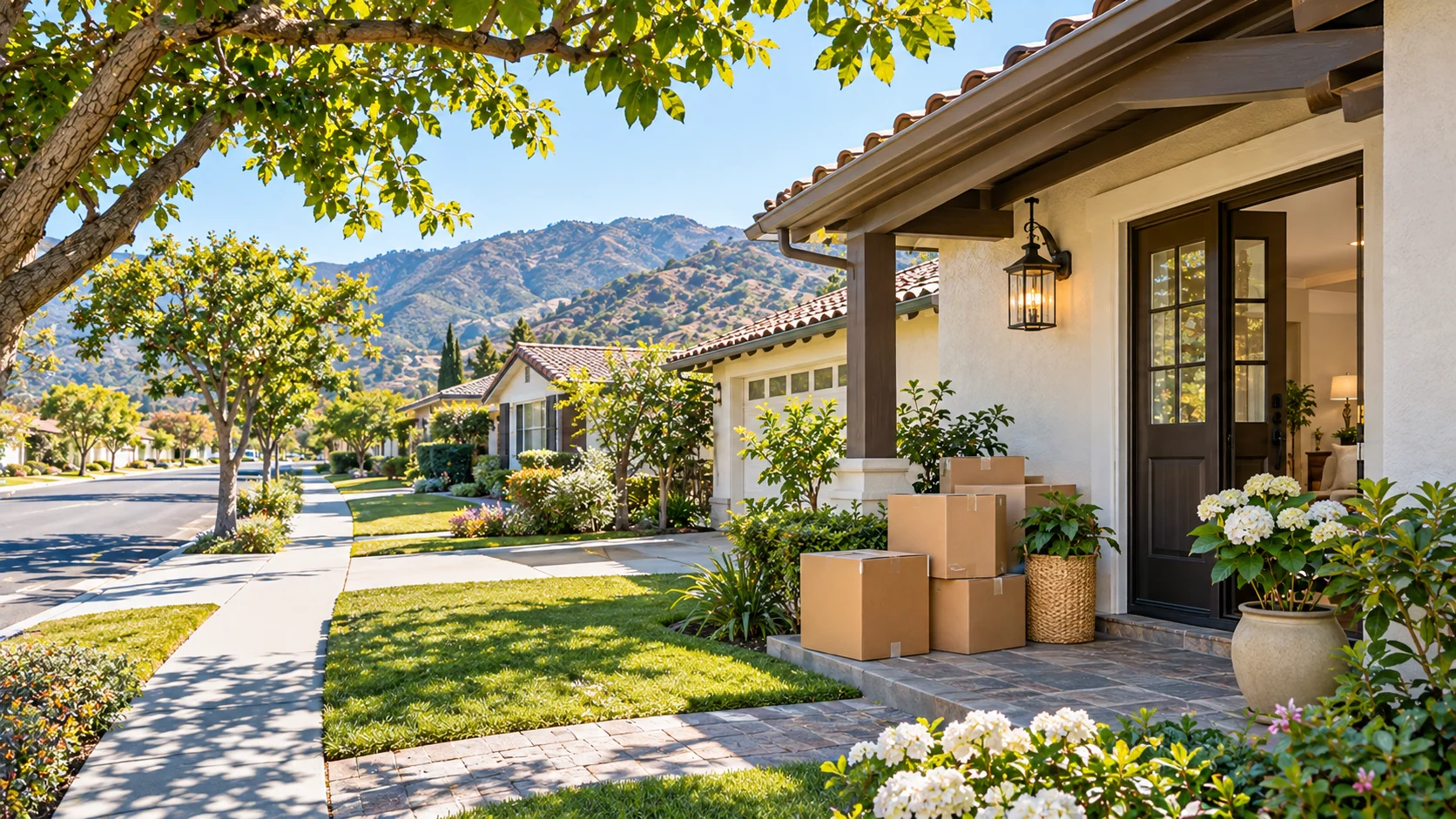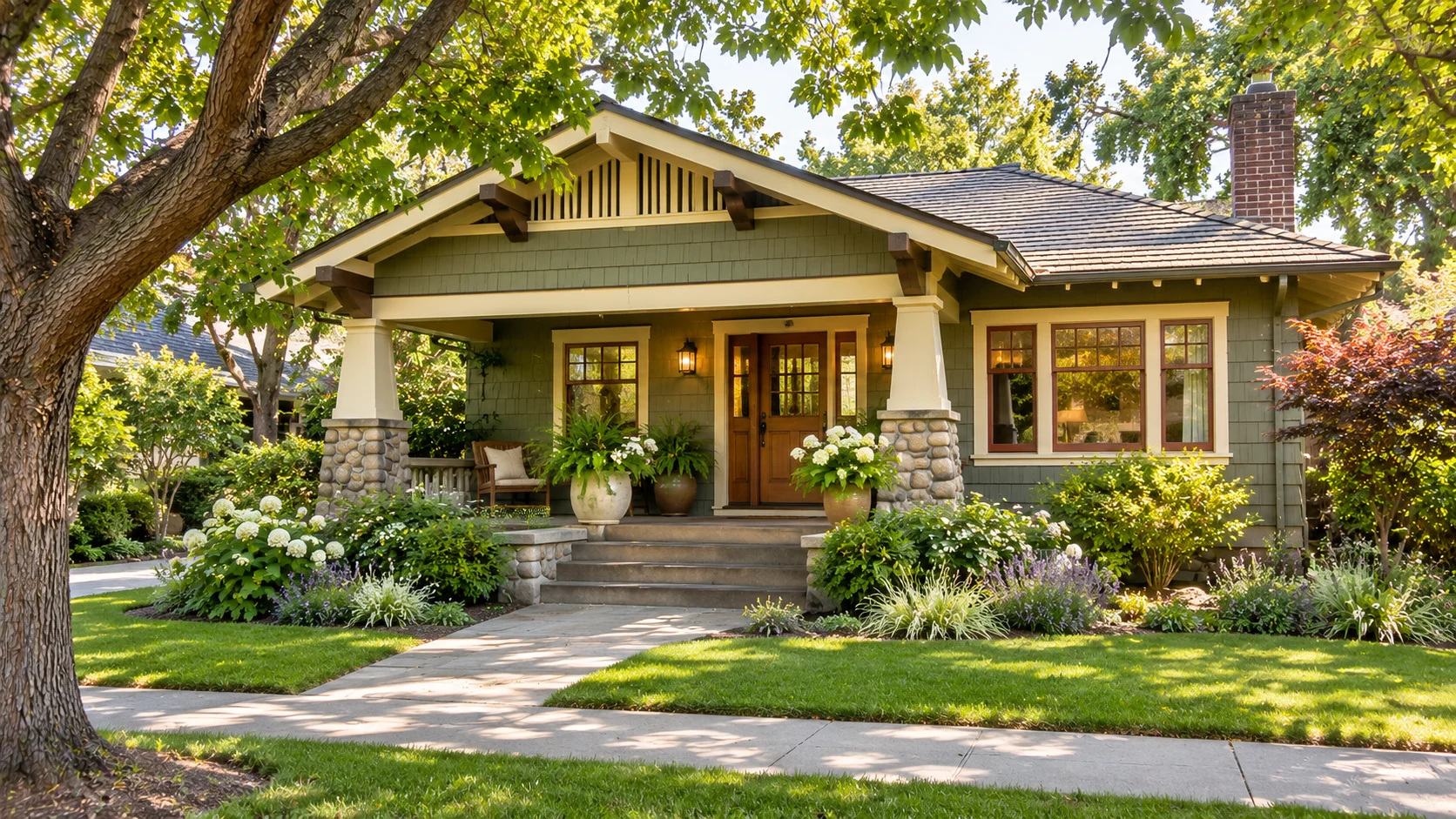

Sierra Madre Canyon homes can appeal to buyers looking for a residential setting connected to the foothills and the natural landscape surrounding Sierra Madre. The area’s hillside environment may offer a different experience from homes on flatter, more conventional residential lots. At the same time, buying in a canyon or foothill setting calls for careful consideration of access, property conditions, drainage, maintenance, and the characteristics of each individual parcel.
A home in a foothill environment should be evaluated on its own merits. Properties can differ in their location, lot configuration, access, construction, outdoor areas, and relationship to the surrounding terrain. Buyers should avoid assuming that every canyon property offers the same views, privacy, or amenities.
Nick and Katie Manes of The Manes Team work with buyers and sellers in Sierra Madre, Pasadena, Arcadia, and the broader San Gabriel Valley. Their local real estate experience can help buyers compare properties and understand the practical questions to investigate before making an offer.
This guide explains what buyers should know about Sierra Madre Canyon homes, from the appeal of foothill living to property inspections, maintenance, and long-term ownership considerations.
The Appeal of Sierra Madre Canyon Living
The foothill environment is an important part of Sierra Madre’s identity. For some buyers, the attraction of canyon living is the opportunity to enjoy a residential setting that feels connected to the surrounding landscape.
A Distinctive Foothill Setting
Canyon properties may have site characteristics that differ from homes on flatter lots. The slope of the land, the placement of the house, the driveway configuration, and the relationship between the property and nearby terrain can all shape the experience of living there.
When viewing a home, consider the actual setting rather than relying only on listing photographs. Visit the property and observe the surrounding landscape, access points, neighboring structures, and outdoor areas.
A hillside location does not automatically mean that a home has a particular view or level of privacy. These characteristics depend on the specific parcel and surrounding properties.
Outdoor Spaces and Natural Surroundings
Some canyon homes may have outdoor spaces that take advantage of their setting. Depending on the property, these could include patios, decks, terraces, gardens, or landscaped areas.
Evaluate how usable these spaces are. Consider access from the interior, the condition of railings and retaining structures, drainage, sun exposure, and ongoing landscaping requirements.
If a deck or retaining wall is important to your decision, ask about its history and arrange an appropriate professional assessment. Outdoor structures should be evaluated for condition and suitability rather than judged only by appearance.
Privacy and Property Layout
The layout of a canyon property can influence how private its outdoor and indoor spaces feel. The location of neighboring homes, vegetation, windows, driveways, and outdoor living areas all contribute to the experience.
Walk around the property where access is permitted. Look at sightlines from neighboring areas and consider how the home’s design supports your preferences.
Mature vegetation can create a sense of separation, but it may also require regular care. Ask about landscaping maintenance and any known concerns involving trees or vegetation.
A Different Residential Experience
Buyers considering a canyon property should think about the everyday practicalities as well as the setting.
Consider how comfortable you are with the property’s driveway, access route, stairs, outdoor maintenance, and distance from the destinations you visit regularly. A home that feels appealing during a short showing should also work for your routine throughout the year.
Property Features and Inspections Buyers Should Prioritize
The terrain and construction characteristics of a foothill property make due diligence particularly important. Buyers should understand the condition of the house and the site around it.
Evaluate the Lot and Slope
Start by understanding the shape and topography of the property. A sloped lot may affect how outdoor areas are used, how water moves across the site, and how the home is accessed.
Look for visible signs of erosion, unusual ground movement, standing water, or damage to hardscape features. These observations are not a substitute for professional evaluation, but they can help identify questions to investigate.
Where concerns arise, consult qualified geotechnical, structural, or civil engineering professionals as appropriate.
Examine Drainage and Water Management
Water management is an important consideration for properties in sloped environments. Buyers should review how rainwater is directed away from the house and whether drainage systems appear to be maintained.
Look for:
- Visible drainage channels and outlets.
- Gutters and downspouts.
- Areas where water may collect.
- Signs of soil erosion.
- Water staining or moisture near foundations.
- The condition of retaining structures.
- Evidence of previous water-related repairs.
Ask the seller about known drainage problems and review available records. A qualified inspector or drainage specialist can help assess concerns that are not easily understood during a showing.
Review Retaining Walls and Outdoor Structures
Some hillside or canyon properties may have retaining walls, terraces, stairs, decks, or other structures that support the site’s layout.
These features should be assessed carefully. Look for visible cracking, movement, leaning, deterioration, or drainage issues. Do not assume that a structure is sound simply because it appears intact from a distance.
If a retaining wall or elevated deck is a significant part of the property, consider obtaining an evaluation from an appropriately qualified professional.
Inspect the Roof and Exterior
The roof and exterior protect the home from weather and moisture. Their condition is especially important when considering an older property or one that has undergone substantial remodeling.
Review the roof’s apparent condition, gutters, exterior walls, windows, doors, and visible flashing. Ask for available maintenance and repair records.
A general home inspection can help identify issues, but a specialist may be needed to assess roofing or other components in greater detail.
Understand the Home’s Foundation and Structure
A home’s foundation and structural components should be evaluated by qualified professionals. This is especially important if the property is built on sloped terrain or has a history of structural repairs.
Buyers should review inspection findings and consider specialist evaluations when recommended. Do not attempt to diagnose structural movement or foundation issues based only on cosmetic observations.
Consider Fire-Related and Environmental Conditions
Foothill properties may require buyers to investigate environmental and emergency-planning considerations relevant to their location.
Check official information about applicable fire hazard designations, local emergency guidance, evacuation planning, and insurance availability. Conditions and requirements vary by property and can change over time.
Ask insurance providers about coverage options and costs before committing to a purchase. Do not assume that a policy available for another property will be available on identical terms.
Access, Maintenance, and Everyday Life in the Canyon
A property’s setting affects how owners use and maintain it. Buyers should consider the practical responsibilities associated with the specific home.
Driveways and Property Access
Access can be an important part of evaluating a canyon property. Driveways may differ in length, slope, width, surface, and turning space.
During a visit, assess whether the driveway is comfortable for your vehicles and daily needs. Consider guest parking, delivery access, and the practical implications of the property’s entrance.
If the property includes a private access road or shared access arrangement, review the relevant documentation and responsibilities. Questions about easements, shared maintenance, or legal access should be addressed with appropriate professionals.
Emergency Access and Preparedness
Buyers should understand how emergency services can access the property and what local preparedness guidance applies.
Review official information concerning emergency notifications, evacuation routes, and local response procedures. Consider how household members would prepare for an emergency and where important documents and supplies would be kept.
Property-specific questions about access and emergency requirements should be verified with the relevant local authorities.
Landscaping and Vegetation Management
Canyon properties may have landscaping needs that differ from those of homes on smaller or flatter lots. The amount of work depends on the property’s vegetation, irrigation, terrain, and outdoor design.
Consider whether the landscaping is manageable for your household. Ask about maintenance history and whether any trees or plants require specialist attention.
Before removing mature trees or making substantial landscape changes, check whether permits or other requirements apply.
Utilities and Property Systems
Do not assume that every canyon home has the same utility arrangements or infrastructure. Buyers should verify the property’s actual connections and systems.
Questions may include:
- Which utilities serve the home?
- Are any systems privately maintained?
- What is the condition of plumbing and electrical components?
- Are there records of previous service or repairs?
- Are access or maintenance responsibilities shared?
- Are any specialized systems installed?
Review the seller’s disclosures and available documentation. Use qualified professionals to investigate technical questions.
Transportation and Daily Destinations
Think about how the property’s location fits your everyday routine. Identify the destinations you visit most often and evaluate the routes you would actually use.
Consider work, shopping, appointments, schools, recreation, and other regular activities. Check travel conditions at relevant times and verify available transportation options through reliable sources.
A foothill setting may be appealing, but convenience should be evaluated based on your personal needs.
Making an Informed Purchase of a Sierra Madre Canyon Home
Buying a canyon property can involve more due diligence than a home on a conventional flat lot. A careful process helps buyers understand both the property’s appeal and its responsibilities.
Review Disclosures and Property Records
Ask for available documentation concerning the home’s condition and history.
Useful records may include:
- Seller disclosures.
- Previous inspection reports.
- Roof and drainage repairs.
- Foundation or structural work.
- Retaining wall documentation.
- Permits for additions and improvements.
- Insurance information.
- Records of specialized property systems.
The available documentation will vary. Review important records carefully and seek professional advice when the information raises questions.
Understand Renovation and Expansion Possibilities
If you plan to remodel or expand, investigate feasibility before relying on a proposed project.
The terrain, lot configuration, existing structures, and applicable regulations may affect what can be done. Verify zoning, building requirements, and any relevant hillside or environmental considerations through official sources.
A qualified architect, engineer, or contractor can help evaluate the physical possibilities. Legal questions should be reviewed with an appropriate attorney.
Budget for Ongoing Ownership
The purchase price does not represent the full cost of owning a canyon home.
Depending on the property, owners may need to budget for:
- Landscaping and vegetation care.
- Drainage maintenance.
- Roof and exterior upkeep.
- Driveway repairs.
- Retaining wall assessments.
- Specialized inspections.
- Insurance.
- Utilities and routine maintenance.
- Repairs to outdoor structures.
Ask for available service records and consider obtaining estimates for significant maintenance items.
Compare Properties on More Than Their Setting
Two canyon homes may have very different ownership requirements. Compare their access, terrain, layout, construction, maintenance history, and overall condition.
A property with an appealing setting may still require substantial work. Another home may offer a more practical layout or simpler maintenance responsibilities.
Use a consistent comparison process and record both advantages and outstanding questions after each showing.
Work With Professionals Who Understand the Property
A real estate agent can help organize the purchase process, communicate with the seller, and coordinate transaction steps. Technical questions should be evaluated by specialists.
Depending on the property, buyers may need a home inspector, structural engineer, geotechnical professional, drainage specialist, insurance provider, or contractor.
Nick and Katie Manes of The Manes Team can help buyers navigate the Sierra Madre real estate market and identify the questions that deserve further investigation.
Frequently Asked Questions About Sierra Madre Canyon Homes
1. What is it like living in Sierra Madre Canyon?
Living in a canyon setting can offer a residential experience connected to the surrounding foothills. The actual experience varies by property and may involve particular access, terrain, landscaping, and maintenance considerations.
2. Are Sierra Madre Canyon homes more difficult to maintain?
Maintenance needs depend on the individual property. Some homes may require additional attention to drainage, vegetation, driveways, retaining structures, or outdoor areas. Buyers should review the home’s condition and maintenance history before purchasing.
3. What should I inspect before buying a canyon home?
In addition to a general home inspection, pay attention to the roof, foundation, drainage, retaining walls, driveway, outdoor structures, and major home systems. Specialist evaluations may be appropriate when concerns are identified.
4. Are there special insurance considerations for foothill properties?
Insurance availability and cost depend on the property and current insurer requirements. Buyers should contact insurance providers early, investigate applicable hazard information, and confirm available coverage before proceeding.
5. Can I add to or remodel a Sierra Madre Canyon home?
Possibilities depend on the lot, existing structures, applicable regulations, and technical conditions. Verify requirements with the relevant authorities and consult qualified design and construction professionals before planning a project.
Explore Sierra Madre Canyon Homes With Local Guidance
A canyon property may offer a setting that is difficult to find elsewhere, but buyers should understand the responsibilities that come with the land and the home’s construction. Evaluating access, drainage, structural condition, insurance, and ongoing maintenance can help you make a more informed decision.
Contact Nick and Katie Manes of The Manes Team to discuss Sierra Madre Canyon homes, compare available properties, and plan your next steps.