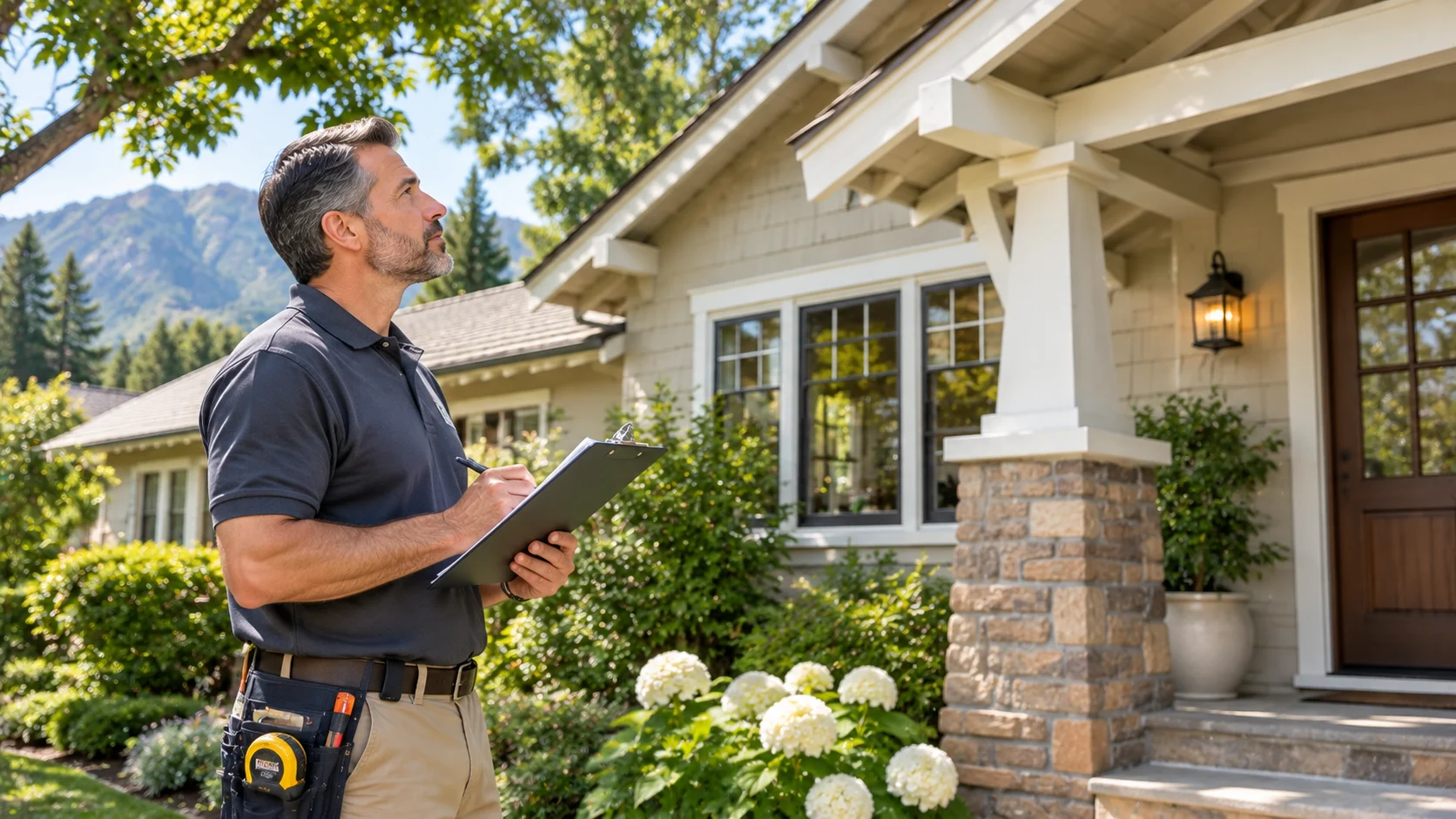
A home inspection is an important part of evaluating a property before completing a purchase. For buyers considering homes in Arcadia, an inspection can help identify visible concerns, understand the condition of major systems, and determine whether additional specialist evaluations may be appropriate.
A property can look well-maintained during a showing while still having issues that are not immediately obvious. Roofing, plumbing, electrical systems, drainage, foundations, and heating and cooling equipment all deserve attention.
An inspection does not guarantee that every defect will be discovered, nor does it predict every future repair. Instead, it provides information that buyers can use to ask questions, evaluate risks, and make informed decisions within the terms of their purchase agreement.
Nick and Katie Manes of The Manes Team work with buyers and sellers in Arcadia, Pasadena, Sierra Madre, and the broader San Gabriel Valley. Their local real estate experience can help buyers coordinate the transaction process and understand the importance of property due diligence.
This guide explains what buyers should understand about Arcadia home inspections and how to approach common property concerns.
Why a Home Inspection Matters When Buying in Arcadia
A home inspection provides an opportunity to learn more about a property’s visible condition before the transaction is completed.
Understand the Purpose of an Inspection
A general home inspection typically involves a visual evaluation of accessible components and systems.
The inspector may examine:
- Roofing and visible drainage.
- Exterior walls and surfaces.
- Foundation and visible structural components.
- Plumbing fixtures and accessible piping.
- Electrical systems.
- Heating and cooling equipment.
- Windows and doors.
- Interior walls, ceilings, and floors.
- Attic or crawl-space areas where accessible.
- Other visible components within the inspection’s scope.
The inspector’s report can identify observed conditions, limitations, and recommendations for further evaluation.
Understand What an Inspection Cannot Guarantee
An inspection is not a guarantee that a property is free from defects.
Some areas may be inaccessible, hidden, or outside the inspector’s scope. Conditions may also change after the inspection.
A general inspection does not replace specialized assessments, code research, engineering analysis, or other professional services.
Buyers should read the report carefully and ask questions about limitations and recommendations.
Choose an Appropriate Inspector
Buyers should select a qualified inspector with appropriate experience and credentials.
Ask about the inspection scope, reporting process, limitations, and whether the inspector recommends additional specialists for certain conditions.
For properties with unique construction features or substantial renovations, relevant experience can be especially useful.
Attend the Inspection When Possible
Attending the inspection may help buyers understand the property’s systems and ask questions directly.
The inspector can explain observed conditions and point out maintenance considerations.
However, buyers should avoid treating informal comments as a substitute for the written report or a specialist’s formal assessment.
Review Disclosures Alongside the Inspection
Seller disclosures and inspection findings serve different purposes.
The seller may provide information about known property conditions, repairs, or other matters. The inspection provides the inspector’s observations at the time of the evaluation.
Review both sources together and follow up on inconsistencies or unanswered questions.
Common Property Issues to Investigate During an Arcadia Home Inspection
Every home is different, but certain areas deserve attention during a property evaluation.
Roofing and Drainage
The roof protects the home from weather and moisture. Its condition can affect future maintenance and repair costs.
Look for:
- Visible deterioration.
- Damaged or missing roofing materials.
- Signs of previous leaks.
- Worn flashing.
- Gutter problems.
- Drainage issues around the property.
- Water staining inside the home.
A general inspector may identify visible concerns, but a roofing specialist may be needed for a detailed assessment.
Ask for available roof repair or replacement records and warranties.
Foundation and Structural Conditions
Foundation and structural issues can be difficult to assess without professional experience.
During an inspection, the inspector may note visible cracking, uneven surfaces, or other conditions that deserve further review.
Not every crack indicates a serious structural problem. Its significance depends on location, size, pattern, history, and other conditions.
If the report recommends further evaluation, consult a qualified structural engineer or foundation specialist.
Plumbing Systems
Plumbing concerns may include leaks, damaged fixtures, drainage problems, corrosion, or other visible conditions.
Pay attention to:
- Water pressure.
- Faucet and fixture operation.
- Visible leaks.
- Drain performance.
- Water heater condition.
- Signs of moisture beneath sinks.
- Visible piping condition.
Some plumbing components are concealed, so a general inspection may not reveal every issue.
If concerns arise, consult a licensed plumber for further evaluation.
Electrical Systems
Electrical systems should be evaluated for visible damage and apparent safety concerns.
The inspector may examine accessible components such as the electrical panel, outlets, switches, and visible wiring.
Buyers should not attempt to open panels or investigate wiring themselves. Questions about the system should be directed to a qualified electrician.
If the property has undergone electrical upgrades, ask for available permits and documentation.
Heating and Cooling Equipment
Heating and cooling systems should be evaluated for apparent condition and operation within the inspection’s scope.
Ask about equipment age, service history, and available maintenance records.
An inspector may recommend a specialist assessment if the equipment has concerns that require technical testing.
Windows, Doors, and Exterior Components
Windows and doors can affect security, comfort, ventilation, and maintenance.
Check whether they operate properly and look for visible damage, deterioration, or signs of water intrusion.
Exterior siding, trim, paint, and other finishes should also be reviewed for maintenance concerns.
Moisture and Water Intrusion
Moisture problems can occur in different parts of a home, including bathrooms, kitchens, roofs, crawl spaces, and areas near foundations.
Look for visible staining, damaged finishes, musty odors, or other indications that deserve investigation.
The source of moisture may not be obvious. Consult qualified professionals if the inspection identifies possible water intrusion or conditions that could involve concealed damage.
Pests and Wood-Destroying Organisms
A general home inspection may identify signs that suggest a separate pest or wood-destroying organism inspection is appropriate.
Depending on the property, buyers may want a qualified pest professional to evaluate visible evidence and provide a report.
Do not assume that the absence of visible insects during a showing means that no pest-related concerns exist.
Sewer Lines and Drainage
Some plumbing or drainage concerns may not be fully evaluated during a standard inspection.
Depending on the property and inspector’s findings, buyers may consider a sewer line inspection or additional drainage assessment.
This can be particularly relevant when the property has older infrastructure or when there are signs of recurring drainage problems.
Pools, Detached Structures, and Special Features
If a property includes a pool, spa, detached structure, or specialized equipment, buyers should understand whether separate inspections are appropriate.
A general home inspection may not cover every specialized system in detail.
Ask which additional evaluations are recommended and what their scope includes.
Reviewing Inspection Reports and Deciding What to Do Next
An inspection report may contain many observations. Buyers should focus on understanding the findings rather than reacting to every item in the same way.
Read the Report in Context
Reports often include observations, limitations, maintenance recommendations, and items requiring further evaluation.
Review the report carefully and distinguish between:
- Immediate safety concerns.
- Significant defects.
- Maintenance recommendations.
- Minor cosmetic issues.
- Items requiring specialist review.
- Areas that could not be inspected.
Ask the inspector to clarify unfamiliar terminology or explain why a further assessment is recommended.
Obtain Specialist Evaluations
A general inspection may identify an issue without determining its full cause or cost.
Depending on the report, buyers may need:
- A licensed electrician.
- A licensed plumber.
- A roofing contractor.
- A structural engineer.
- A foundation specialist.
- A pest inspector.
- A sewer line specialist.
- A pool professional.
Specialist evaluations can provide more detailed information and may help buyers understand the scope of potential work.
Obtain Repair Estimates Where Appropriate
If a report identifies a significant issue, consider obtaining a written estimate from a qualified contractor.
The estimate may help clarify:
- The work required.
- Materials and labor.
- Possible additional work.
- Timing.
- Whether permits may be needed.
- Any limitations in the estimate.
Avoid making financial decisions based on an informal guess when a substantial repair is involved.
Review the Contract and Applicable Deadlines
Inspection rights and negotiation options depend on the purchase contract and applicable law.
Buyers should understand the deadlines for inspections, notices, requests, and other contractual actions.
Their real estate agent can help organize communications and transaction steps. Legal questions should be directed to a qualified real estate attorney.
Decide Whether to Proceed, Negotiate, or Reconsider
Inspection findings may lead buyers to proceed as planned, request a contractual adjustment, seek additional information, or reconsider the purchase.
The appropriate response depends on the property’s condition, the contract, the buyer’s priorities, and the financial implications.
Do not assume that every defect requires the seller to make a repair. Negotiation outcomes depend on the parties and their agreement.
Preparing for a Home Inspection and Protecting Your Purchase Decision
A thoughtful inspection process starts before the inspector arrives and continues through the review of findings.
Prepare Questions Before the Inspection
Write down concerns from the showing, listing, or seller disclosures.
These might involve:
- The age of major systems.
- Previous repairs.
- Water intrusion.
- Roof maintenance.
- Additions and renovations.
- Drainage.
- Specialized equipment.
- Visible damage.
This can help direct attention to issues that matter to your decision.
Review Available Property Records
Ask for documentation concerning significant improvements, repairs, and maintenance.
Relevant records may include permits, warranties, contractor invoices, and service documentation.
If the property has additions or converted spaces, verify their approval and permitted use through the appropriate local authority.
Budget for Future Maintenance
An inspection can help buyers understand what may need attention, but it cannot predict every future expense.
Consider the age and condition of the home’s major components and plan for routine maintenance.
A home with older systems may require more financial flexibility than a property with recently updated components.
Keep Communication Organized
Maintain a record of questions, reports, estimates, and transaction deadlines.
Share relevant findings with the professionals involved in the transaction and make sure important issues are addressed promptly.
Use the Findings to Make an Informed Decision
The purpose of due diligence is to understand the property well enough to make a decision consistent with your needs and risk tolerance.
No home is guaranteed to be perfect. The goal is to understand known conditions, investigate significant concerns, and make decisions based on reliable information.
Frequently Asked Questions About Arcadia Home Inspections
1. Is a home inspection necessary when buying a house in Arcadia?
A home inspection is an important due diligence step because it can identify visible concerns and recommend further evaluation. Buyers should review their purchase contract and understand the inspection provisions and deadlines.
2. What does a standard home inspection cover?
A general inspection typically evaluates accessible and visible components such as the roof, exterior, interior, plumbing, electrical systems, heating and cooling equipment, and visible structural elements. The actual scope and limitations depend on the inspector’s agreement.
3. What are common issues found during home inspections?
Potential findings can include roof deterioration, plumbing leaks, electrical concerns, drainage problems, damaged finishes, moisture indications, and maintenance needs. The findings vary by property and should not be assumed in advance.
4. Should I get additional inspections after a general home inspection?
Additional inspections may be appropriate when the general inspector identifies concerns or when the property includes specialized systems. These may involve roofing, plumbing, electrical, structural, pest, sewer, or pool evaluations.
5. Can I negotiate after a home inspection in Arcadia?
Possible negotiations depend on the purchase contract, applicable deadlines, inspection findings, and agreement between the parties. Review your options with your real estate agent and seek legal advice when needed.
Make Your Arcadia Home Purchase With Greater Clarity
A home inspection can help you understand a property’s condition and identify questions that deserve further attention. Reviewing the findings carefully, obtaining specialist opinions when necessary, and understanding your contractual options can support a more informed purchase.
Contact Nick and Katie Manes of The Manes Team to discuss buying a home in Arcadia, coordinating your property search, and navigating the purchase process.