
Pasadena, CA, is known for its distinctive residential architecture, established neighborhoods, and homes that reflect different periods of Southern California history. For buyers interested in Pasadena historic homes, the appeal often goes beyond square footage or modern amenities. Craftsman details, Spanish Colonial Revival influences, Victorian architecture, and other traditional design elements can give a property a character that is difficult to replicate in newer construction.
Owning a historic home can be rewarding, especially for buyers who appreciate architectural craftsmanship and the opportunity to maintain a property with a unique story. However, purchasing an older or historically significant residence also requires careful consideration. Maintenance needs, renovation plans, insurance availability, property condition, and potential preservation requirements can all influence the ownership experience.
Not every older home is officially designated as historic, and not every property is subject to the same preservation requirements. Buyers should understand the specific status of the property they are considering before making assumptions about renovations or future improvements.
Nick and Katie Manes of The Manes Team help buyers navigate the Pasadena and greater San Gabriel Valley real estate markets. This guide explains what prospective homeowners should understand when evaluating historic properties, from recognizing architectural styles to conducting due diligence and planning for long-term ownership.
Exploring Pasadena, CA Historic Homes and Their Architectural Character
One of the most appealing aspects of Pasadena’s historic housing is its architectural variety. Buyers may find homes with distinctive rooflines, handcrafted details, traditional materials, and floor plans that reflect the design preferences of earlier generations.
Understanding these styles can help buyers recognize the features that make a property distinctive and determine whether its design suits their preferences.
Craftsman Homes and Their Distinctive Details
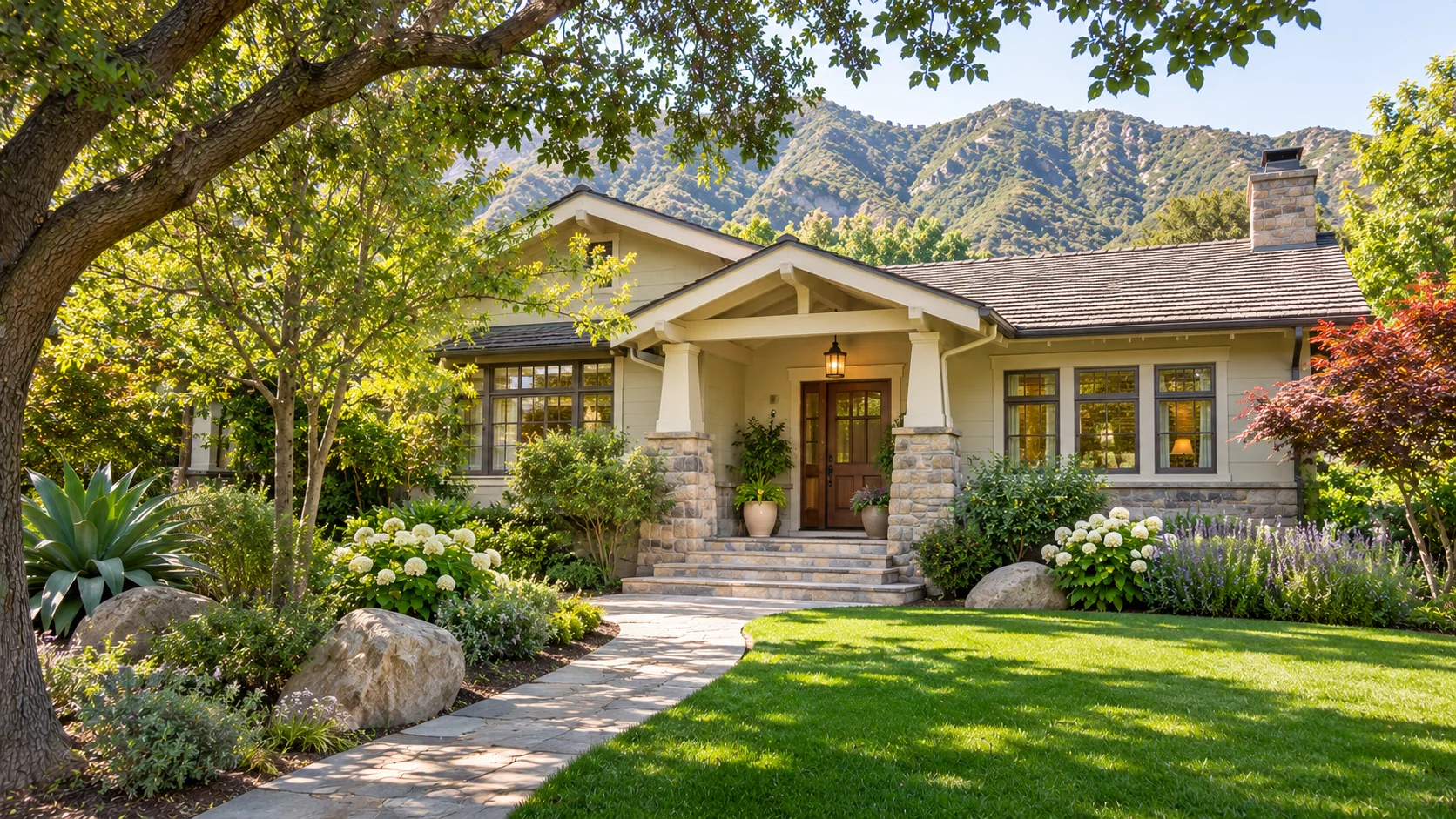
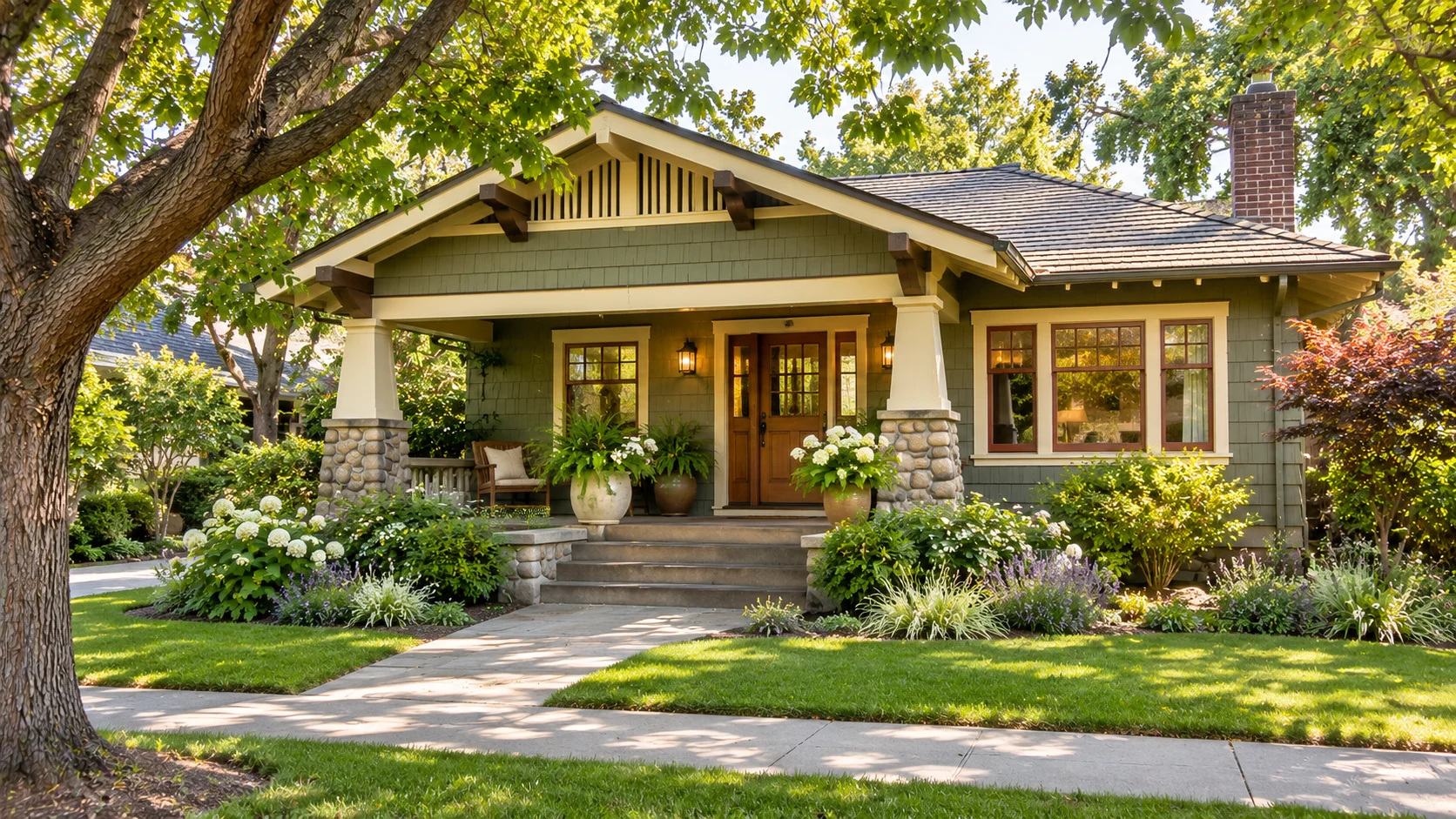
Craftsman architecture is strongly associated with Southern California’s residential history. These homes are often appreciated for their emphasis on natural materials, visible craftsmanship, and practical design.
Common Craftsman characteristics may include:
- Low-pitched rooflines.
- Broad front porches.
- Exposed structural details.
- Decorative brackets and beams.
- Woodwork and built-in cabinetry.
- Windows with divided-light designs.
- Natural materials and textured finishes.
Interior features can be just as distinctive as the exterior. Built-in shelving, wood trim, fireplaces, and carefully designed living spaces may contribute to a home’s character.
Buyers considering a Craftsman property should look beyond decorative appeal. Original woodwork, windows, flooring, and other historic features may require specialized maintenance. It is also important to understand whether previous renovations have changed the home’s original layout or materials.
A well-maintained Craftsman residence may appeal to buyers who value architectural authenticity, but its condition should be evaluated carefully.
Spanish Colonial Revival Architecture
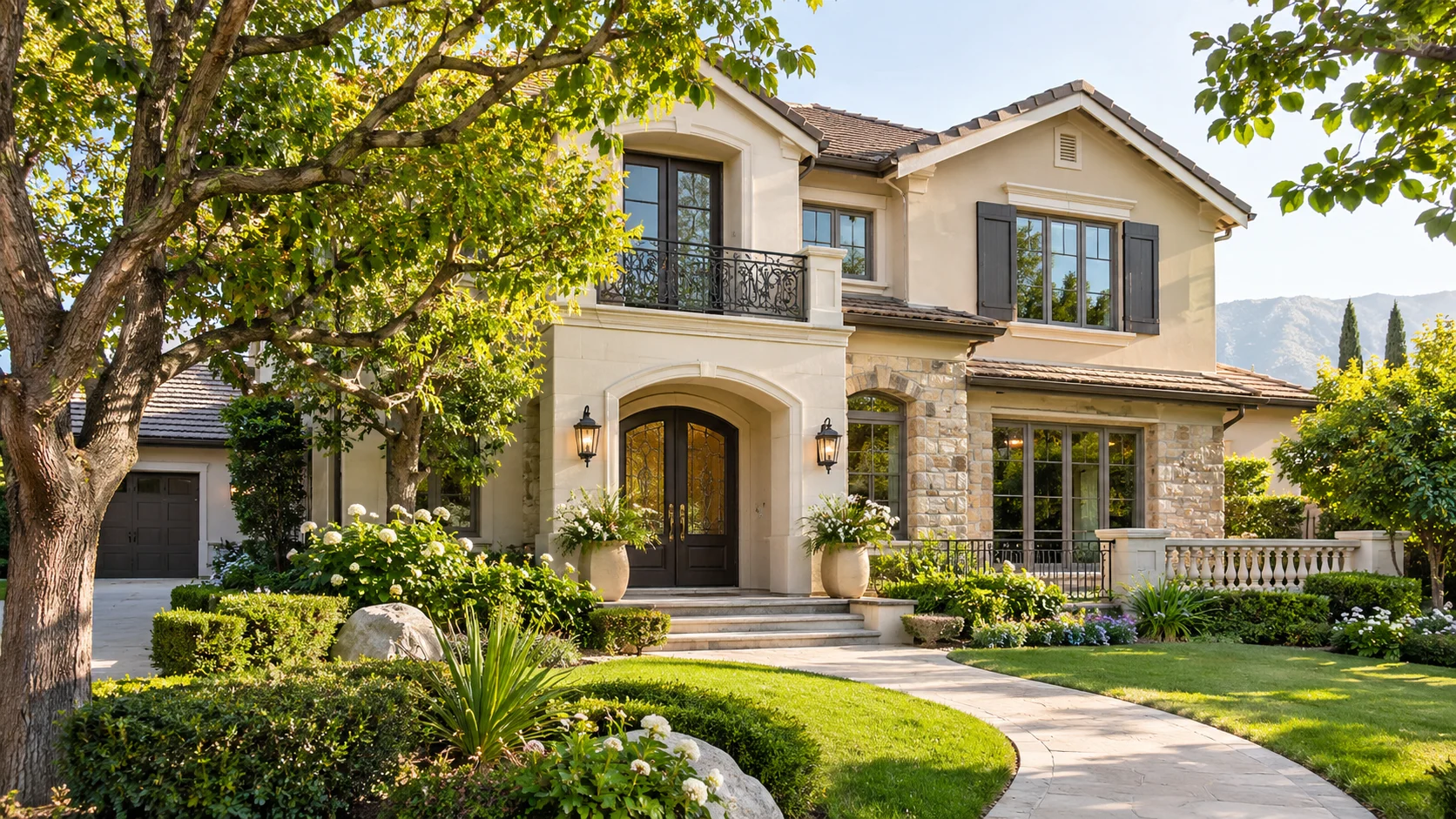
Spanish Colonial Revival homes are another recognizable architectural style buyers may encounter in Pasadena.
These residences often feature design elements inspired by Spanish and Mediterranean architecture, including:
- Stucco exterior finishes.
- Clay tile roof elements.
- Arched doorways and windows.
- Decorative ironwork.
- Courtyards or enclosed outdoor areas.
- Wood doors and exposed beams.
- Textured interior finishes.
The overall appearance can vary significantly from one home to another. Some properties emphasize traditional detailing, while others combine historic influences with later additions or contemporary improvements.
When evaluating a Spanish Colonial Revival home, buyers should examine the condition of the roof, exterior finishes, windows, drainage, and other building components. Decorative features can contribute to the home’s appeal, but they should not distract from practical maintenance considerations.
Victorian and Other Historic Architectural Styles
Pasadena also has residential properties associated with Victorian architecture and other historically significant design periods.
Victorian homes can feature decorative trim, distinctive rooflines, detailed woodwork, and varied exterior forms. Depending on the property, buyers may encounter ornate porches, decorative windows, and interior details that reflect the home’s original design period.
Other older residences may combine architectural influences or have undergone changes over time. Additions, remodeling, and replacement materials can make it difficult to identify a home’s original style without further research.
Buyers should consider:
- Which architectural features appear original.
- Whether major additions or alterations have been completed.
- How well newer improvements complement the original design.
- Whether distinctive materials require specialized maintenance.
- Whether available property records explain previous work.
The objective is not necessarily to find a home that has remained unchanged. Many historic residences have been updated to support modern living. Buyers should understand which changes have been made and whether the work was properly documented and approved where required.
Why Architectural Character Matters to Buyers
Architectural character can influence how buyers experience a property.
A traditional front porch may create a welcoming entrance. Original woodwork may add visual interest to an interior. A courtyard or established garden may offer a different outdoor experience from a newer home with a more conventional layout.
However, architectural appeal is personal. Some buyers prefer preserving original details, while others want a balance of historic character and modern functionality.
Before making an offer, consider whether the home’s layout, materials, and design features align with your lifestyle and willingness to maintain an older property.
Look Beyond the Exterior Appearance
A historic home’s exterior may be what first attracts a buyer, but the property’s complete condition matters.
An attractive facade does not necessarily indicate that the roof, foundation, plumbing, electrical systems, or other components are in good condition.
Likewise, an older interior does not automatically mean a home has significant problems. Maintenance history and the quality of previous improvements are more informative than age alone.
A careful evaluation should include both architectural appreciation and practical due diligence.
Historic Preservation, Renovation Rules, and Property Due Diligence
Before purchasing a historic property in Pasadena, buyers should determine whether the home has an official historic designation or is located within an area subject to applicable preservation requirements.
This is important because some properties may have additional review requirements for certain exterior modifications, additions, or renovation projects.
Determine Whether the Property Has a Historic Designation
The term “historic home” can describe an older residence with architectural character, but it does not automatically mean that the property has an official historic designation.
A buyer should distinguish between:
- A home that is simply older.
- A property recognized for architectural or historical significance.
- A property included in a designated historic resource inventory.
- A residence located within a historic district.
- A property subject to specific local preservation requirements.
These distinctions can affect what owners need to investigate before making changes.
Buyers should review available property information and consult the appropriate City of Pasadena departments to determine whether a designation or preservation requirement applies.
Do not assume that two homes with similar architectural styles have identical restrictions. Requirements can depend on the property’s specific status and the proposed work.
Understand Potential Renovation and Preservation Considerations
Some historic properties may be subject to review before certain exterior alterations or other changes can proceed.
Depending on the property’s status and applicable requirements, buyers may need to investigate proposed work involving:
- Exterior paint or finishes.
- Windows and doors.
- Roofing materials.
- Porches and architectural details.
- Additions or structural changes.
- Landscaping or site modifications.
- Changes visible from public areas.
The exact requirements should be verified for the individual property. Buyers should not rely on assumptions based on a home’s age or architectural style.
If you are considering a significant renovation, contact the appropriate city department before purchasing or beginning work. A qualified architect, contractor, or preservation professional may also help explain the feasibility of a proposed project.
Review Permits and Previous Improvements
Older homes may have undergone multiple rounds of renovation. Some improvements may have been completed decades ago, while others may be relatively recent.
Buyers should investigate available documentation for significant work, including:
- Additions and room conversions.
- Kitchen and bathroom remodeling.
- Electrical upgrades.
- Plumbing improvements.
- Roof replacement.
- Structural modifications.
- Detached structures or other site improvements.
Permit records can help buyers understand what work was documented through the relevant authorities. However, the absence of a readily available record does not by itself establish the full history of a property.
Where questions arise, buyers should request clarification and consult the appropriate building department or qualified professional.
Consider the Practical Impact of Preservation Requirements
Preservation requirements may influence a homeowner’s renovation plans, project costs, design choices, and scheduling.
For example, a buyer who wants to replace original windows or significantly alter an exterior may need to investigate whether the proposed work is permitted and whether specific materials or design approaches are required.
This does not mean historic homes cannot be improved. It means that owners should understand the property’s applicable requirements before committing to a renovation plan.
A useful approach is to identify intended improvements before closing and determine which questions need to be answered by the city, a contractor, or another qualified professional.
Evaluate Long-Term Ownership Responsibilities
Historic properties can require ongoing attention to materials and features that may differ from those found in newer construction.
Depending on the residence, maintenance may involve:
- Wood siding and trim.
- Older windows and doors.
- Roofing materials.
- Masonry and decorative finishes.
- Porches, railings, and stairs.
- Mature landscaping.
- Aging plumbing or electrical components.
Some materials may require specialized repair methods or experienced tradespeople.
Buyers should consider whether they have the time, resources, and interest to maintain the property’s distinctive features. A home that is architecturally appealing may still require a significant commitment to upkeep.
Inspections, Maintenance, and Insurance Considerations for Historic Home Buyers
A professional property inspection is an important part of evaluating any home, but it can be especially valuable when purchasing an older residence.
Historic architectural details deserve attention, but buyers should also understand the condition of the home’s essential systems and structural components.
Arrange a Thorough General Home Inspection
A qualified home inspector can help identify visible conditions that may require further investigation.
Areas commonly reviewed during a general home inspection include:
Roofing: Evaluate the visible condition of roofing materials, flashing, drainage, and signs of water intrusion. Older or distinctive roof materials may require additional assessment by an appropriate specialist.
Foundation and structure: Look for visible signs of movement, cracking, uneven floors, or other conditions that may warrant further evaluation. A general inspection is not a substitute for a structural engineer’s assessment when concerns arise.
Electrical systems: Older homes may have electrical components that differ from those in newer construction. Have the inspector identify visible concerns and recommend further evaluation when appropriate.
Plumbing: Review accessible plumbing components for leaks, corrosion, drainage concerns, and other visible issues.
Heating and cooling: Understand the condition and operation of the home’s heating and cooling equipment, if present.
Drainage and moisture: Evaluate visible grading, drainage patterns, signs of water intrusion, and areas where moisture may accumulate.
Pest activity: Consider whether a separate pest inspection or wood-destroying organism report is appropriate.
An inspection report should help buyers understand observed conditions and identify issues that may require additional professional review.
Consider Specialized Inspections When Necessary
A general home inspection may not answer every question about an older property.
Depending on the home’s age, materials, condition, and renovation history, buyers may benefit from additional evaluations.
Possible specialists include:
- Structural engineers.
- Licensed electricians.
- Plumbing contractors.
- Roofing professionals.
- Heating and cooling technicians.
- Pest inspection professionals.
- Specialists experienced with historic materials.
For example, if an inspector identifies concerns about a foundation, a structural engineer may be better equipped to assess the condition and explain possible next steps.
If a home contains materials that may require specialized handling, buyers should seek advice from qualified professionals rather than attempting to assess or remove them independently.
Understand Maintenance Needs Before Making an Offer
An older property may have maintenance needs that are not immediately obvious during a showing.
Buyers should ask questions about the home’s history and review available records where possible.
Useful questions include:
- When was the roof last replaced or repaired?
- Have the plumbing and electrical systems been updated?
- Are there records of major renovations?
- Have there been recurring moisture or drainage issues?
- Are there known foundation or structural concerns?
- What maintenance has been performed on original architectural features?
- Are there warranties or documentation for recent improvements?
The answers can help buyers develop a clearer picture of the home’s condition.
It is also important to distinguish between routine maintenance and significant repairs. A home may have cosmetic wear but sound essential systems, or it may look recently updated while still having underlying issues that require attention.
Review Insurance Availability and Coverage
Insurance is another important consideration when purchasing a historic property.
Not every insurance provider evaluates older homes in the same way. Availability, eligibility, coverage terms, and premiums may depend on the property’s age, condition, construction materials, systems, location, and other underwriting factors.
Before completing a purchase, buyers should contact insurance professionals and request information about coverage for the specific property.
Questions worth asking include:
- Is the property eligible for the desired coverage?
- Are there requirements for updating older systems?
- How are original materials and architectural features treated?
- What exclusions or limitations may apply?
- Are replacement-cost considerations different for distinctive materials?
- Is additional coverage appropriate for the property’s circumstances?
Buyers should not assume that a standard policy will automatically cover every feature or replacement scenario associated with a historic home.
Obtaining insurance information early can help prevent unexpected complications during the purchase process.
Plan for Future Maintenance and Repairs
Long-term ownership should be part of the buying decision.
Consider setting aside resources for routine upkeep and potential repairs. The appropriate amount will depend on the property’s condition, inspection findings, materials, and the owner’s financial circumstances.
It may also be useful to identify contractors who have experience working with older homes and traditional building materials.
The goal is to preserve the home’s character while maintaining its safety, functionality, and condition.
How to Buy the Right Historic Home in Pasadena
Finding the right historic property involves balancing architectural preferences with practical ownership considerations. Buyers should approach the search with a clear understanding of their needs, budget, and willingness to maintain an older home.
Define Your Priorities Before Touring Properties
Start by identifying what matters most to your household.
Some buyers may prioritize original architectural details, while others may prefer updated kitchens, additional bedrooms, or flexible living areas.
Consider creating a list of essential features and optional preferences.
Potential priorities include:
- Preferred architectural style.
- Number of bedrooms and bathrooms.
- Interior layout and usable living space.
- Outdoor areas and landscaping.
- Parking and storage.
- Condition of major systems.
- Renovation potential.
- Historic designation or preservation considerations.
- Location relative to work and regular destinations.
Having a clear list can make it easier to compare properties without becoming distracted by attractive details that may not support your long-term needs.
Evaluate the Property as a Whole
When touring a historic home, look beyond individual decorative features.
Consider how the entire property functions. Does the layout work for your household? Are the bedrooms appropriately located? Is there sufficient storage? Are the outdoor spaces practical to maintain?
Pay attention to how original features interact with later improvements.
A home may have a beautiful historic exterior but an interior layout that requires changes to suit your needs. Before planning those changes, investigate whether they are feasible and whether any preservation requirements apply.
Also consider whether the property’s maintenance responsibilities fit your expectations.
Compare the Cost of Ownership, Not Just the Purchase Price
The purchase price is only one part of owning a home.
Buyers should consider potential expenses related to:
- Property taxes.
- Homeowners insurance.
- Routine maintenance.
- Repairs and replacement of major systems.
- Landscaping.
- Utilities.
- Renovation projects.
- Professional inspections.
- Any applicable association or property-specific obligations.
For a historic home, specialized materials or preservation-related work may influence future maintenance expenses.
The actual costs will depend on the individual property and the owner’s plans. Buyers should seek estimates from qualified professionals when evaluating substantial repairs or improvements.
Work With Professionals Familiar With Older Properties
Buying a historic residence may involve questions that go beyond a standard home search.
A real estate professional can help buyers understand available property information, compare listings, coordinate due diligence, and identify questions that need further investigation.
Inspectors, contractors, insurance professionals, architects, and preservation specialists may also play important roles depending on the property.
Nick and Katie Manes of The Manes Team provide personalized real estate guidance for buyers exploring Pasadena, Sierra Madre, Arcadia, and the broader San Gabriel Valley.
Their role is to help buyers navigate the real estate process, understand property-specific considerations, and connect their home search with their goals. Questions involving structural conditions, legal restrictions, insurance coverage, or renovation approvals should be addressed with the appropriate qualified professionals.
Frequently Asked Questions
1. What makes Pasadena historic homes different from newer properties?
Pasadena historic homes may feature architectural details, traditional materials, and layouts associated with earlier periods of residential design. Examples include Craftsman, Spanish Colonial Revival, and Victorian influences. Each property is different, so buyers should evaluate its specific design, condition, and renovation history.
2. Are all older homes in Pasadena officially designated as historic?
No. A home’s age or architectural style does not automatically mean it has an official historic designation. Buyers should verify the property’s specific status and determine whether it is subject to any applicable preservation requirements.
3. Can you renovate a historic home in Pasadena?
Renovation possibilities depend on the property’s status, the type of work proposed, and applicable local requirements. Some exterior changes or alterations may require additional review. Buyers should consult the appropriate City of Pasadena departments before planning significant work.
4. What inspections should buyers consider when purchasing a historic home?
A general home inspection is an important starting point. Depending on the property’s condition and inspection findings, buyers may also consider specialized evaluations involving the roof, foundation, electrical systems, plumbing, pest activity, or other components. Qualified professionals can help assess specific concerns.
5. Are historic homes more expensive to maintain?
Maintenance expenses vary by property. Some older homes have well-maintained systems, while others may require specialized repairs, material replacement, or ongoing attention to original architectural features. Buyers should review inspection findings, obtain estimates for significant work, and consider long-term maintenance needs before purchasing.
Ready to Explore Pasadena Historic Homes?
Buying a historic home can be an opportunity to enjoy distinctive architecture and become part of a property’s continuing story. The key is finding a residence that combines the character you appreciate with the condition, functionality, and ownership responsibilities you are prepared to manage.
Nick and Katie Manes of The Manes Team can help you explore Pasadena historic homes, compare available properties, and navigate the homebuying process with personalized guidance.
Whether you are searching for a Craftsman bungalow, a Spanish Colonial Revival residence, or another character-rich property, having a thoughtful plan can help you make a more informed decision.
Contact Nick and Katie Manes of The Manes Team to discuss your Pasadena home search and take the next step toward finding a property that fits your goals.