Arcadia luxury homes can offer a range of architectural styles, spacious floor plans, carefully selected materials, and indoor-outdoor living opportunities. For buyers considering the upper end of the residential market, the appeal of a property often extends beyond its appearance. Construction quality, layout, location, privacy, maintenance requirements, and the way a home supports everyday life are all important parts of the decision.
Luxury is not defined by one universal checklist. One buyer may prioritize a spacious kitchen and entertaining areas, while another may place greater value on a private primary suite, guest accommodations, a home office, or a flexible floor plan. Some properties may include pools, landscaped grounds, or smart home features; others may offer a different combination of design and practical advantages.
Nick and Katie Manes of The Manes Team serve buyers and sellers in Arcadia, Pasadena, Sierra Madre, and the broader San Gabriel Valley. Their local real estate knowledge can help buyers compare available properties, understand individual property characteristics, and organize the questions that should be answered before making a purchase.
This guide explores the features buyers may encounter when considering Arcadia luxury homes and explains how to evaluate a property beyond its first impression.
What to Look for in Arcadia Luxury Homes
A luxury property should be evaluated as a complete home rather than as a collection of impressive finishes. Architectural design, room proportions, natural light, circulation, materials, and the relationship between indoor and outdoor spaces all contribute to the experience of living in a property.
Architectural Design and Overall Character
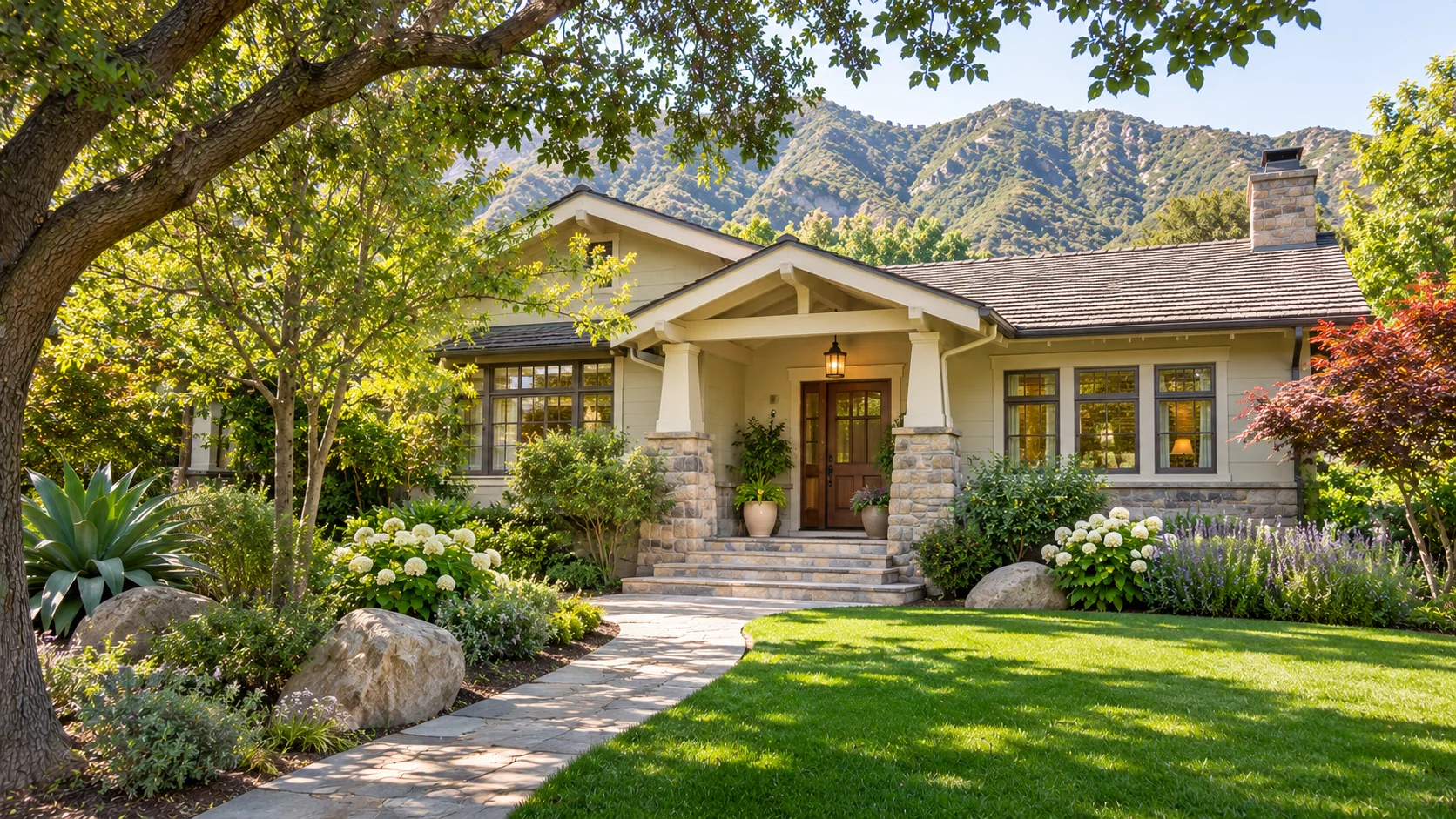
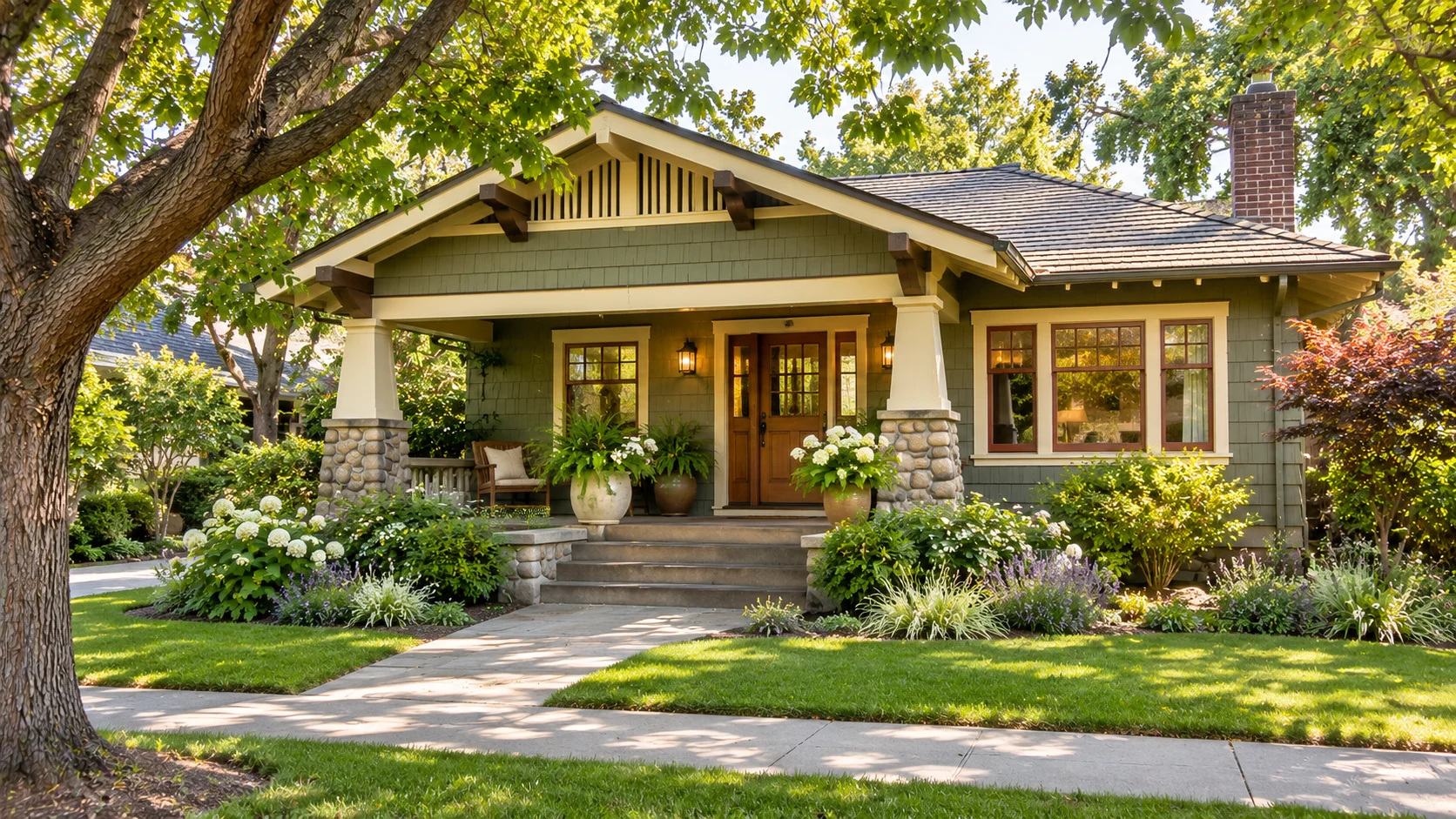
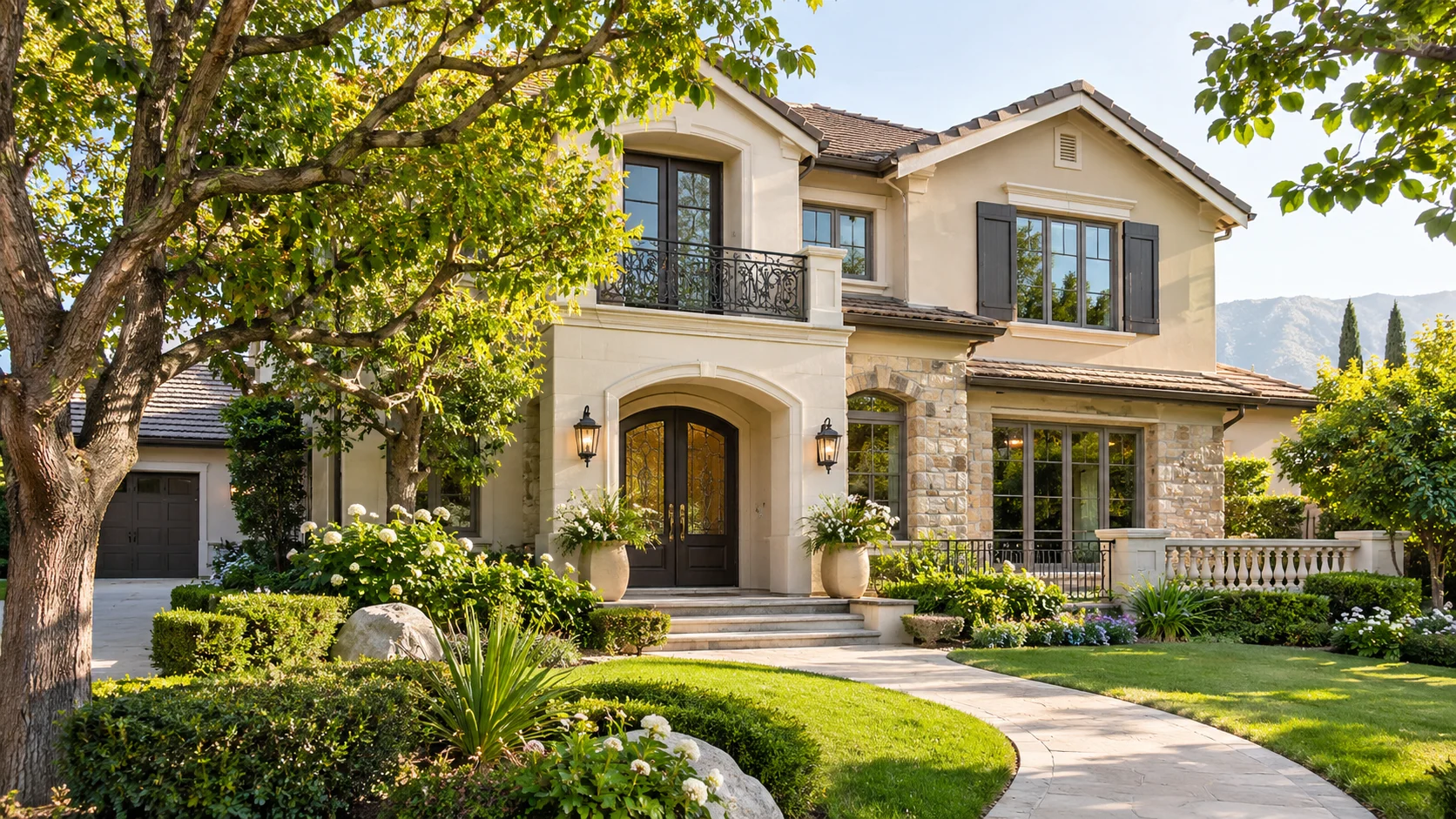
Arcadia luxury homes may reflect different architectural approaches. Some properties emphasize traditional design, while others may have contemporary lines or a blend of styles.
When touring a home, consider whether the architecture feels cohesive. Look at the relationship between the exterior and interior, the proportions of rooms, ceiling heights, window placement, and the way the home connects its different living areas.
A striking exterior can attract attention, but the interior should also function well. Consider whether the entrance creates a natural transition into the main living spaces, whether rooms feel connected without sacrificing privacy, and whether the layout suits your daily routine.
Spacious and Functional Floor Plans
A large home is not automatically a practical home. Room count and square footage provide useful context, but the arrangement of those spaces matters just as much.
Consider questions such as:
- Are the main living areas comfortable for everyday use?
- Is there enough separation between entertaining and private spaces?
- Does the kitchen connect conveniently with dining and gathering areas?
- Are bedrooms positioned in a way that supports privacy?
- Is there useful storage throughout the home?
- Are hallways and transitions easy to navigate?
- Can rooms serve more than one purpose?
A home office, guest room, study, or flexible living area may be valuable if it matches your needs. However, buyers should assess the actual dimensions and layout rather than assuming that a room described in marketing materials will serve every intended purpose.
Premium Materials and Interior Finishes
Luxury listings may feature stone surfaces, custom cabinetry, hardwood flooring, specialty lighting, upgraded fixtures, and other finish details.
Look beyond the names of materials and consider their condition, installation, durability, and maintenance requirements. A visually impressive surface may require specialized care. Custom features can be attractive, but buyers should understand whether replacement parts, repairs, or future maintenance could be more involved than with standard materials.
Ask for available documentation about significant renovations or installations. Where appropriate, have qualified professionals evaluate the work and identify any concerns.
Natural Light and Window Placement
Natural light can influence how rooms feel throughout the day. Window size, orientation, surrounding structures, landscaping, and interior finishes all affect the light entering a home.
During a showing, notice which rooms receive natural light and whether the amount changes across the day. Consider privacy as well. Large windows may create an appealing connection to the outdoors, but their placement should also suit the household’s preferences.
Indoor-Outdoor Living
Indoor-outdoor living can be an important feature of Southern California residential design. Depending on the property, buyers may encounter patios, covered seating areas, landscaped yards, outdoor dining spaces, or direct access from interior living areas.
Evaluate how these spaces connect to the home. A patio may be attractive, but its usefulness depends on access, shade, privacy, maintenance, and the overall layout.
If the property includes a pool or other outdoor feature, consider the ongoing care, equipment, safety requirements, and potential repair needs. Do not assume that every luxury property includes the same amenities or that every outdoor feature will suit every buyer.
Privacy and Landscaping
Landscaping can contribute to a property’s visual appeal and sense of separation from neighboring homes. Mature trees, hedges, walls, fencing, and the positioning of outdoor spaces may influence privacy.
Buyers should examine the actual site rather than relying only on photographs. Consider sightlines from neighboring properties, the location of windows and patios, and how much maintenance the landscaping may require.
Trees and established planting can be appealing, but they may also involve pruning, irrigation, drainage, or other maintenance responsibilities. Ask questions about the property’s landscaping history and consult qualified professionals if there are concerns about trees or site conditions.
Evaluating Amenities, Construction Quality, and Location
Amenities can make a property more appealing, but they should be assessed in terms of condition and usefulness. Buyers should distinguish between features that look impressive during a showing and features that will continue to serve the household over time.
Kitchens Designed for Everyday Use
A chef-inspired kitchen may include generous counter space, custom storage, upgraded appliances, a large island, or a layout that connects with dining and entertaining areas.
When evaluating the kitchen, consider more than the finish selections. Ask whether the work areas are practical, whether storage is sufficient, and whether the appliances and fixtures appear to be in good condition.
Review available information about appliance age, warranties, and service history. If the kitchen has been remodeled, ask whether permits or supporting documentation are available where relevant.
Primary Suites and Private Spaces
A primary suite may include a bedroom, closet space, and an attached bathroom. The size and configuration of these spaces can vary considerably.
Consider whether the suite offers the privacy and functionality you want. Look at closet organization, bathroom layout, ventilation, lighting, and the condition of fixtures and finishes.
Some buyers may value a suite that is separated from other bedrooms. Others may prefer a layout that keeps bedrooms closer together. The best arrangement depends on household needs rather than a universal definition of luxury.
Guest Accommodations and Flexible Living Areas
Guest rooms, secondary suites, and flexible spaces may support visitors, work, hobbies, or changing household needs.
Before assigning a particular use to a room, verify its legal status and physical suitability. A finished room is not automatically a permitted bedroom or separate living unit. If a property includes an additional dwelling space, buyers should investigate permits, applicable requirements, utility arrangements, and other property-specific details.
Smart Home Technology
Some properties may include integrated lighting, security, climate controls, audio systems, automated window coverings, or other smart home features.
Ask which systems are included in the sale and whether they will transfer to the new owner. Determine whether subscriptions, accounts, hubs, or compatible devices are required.
Buyers should also consider whether the technology is easy to operate and maintain. A sophisticated system may be appealing, but its value depends on reliability, support, and the owner’s comfort with the setup.
Pools and Entertainment Spaces
A pool, outdoor kitchen, built-in seating area, or dedicated entertainment room may be an important feature for some buyers.
Evaluate these spaces with the same care as the interior. For a pool, ask about equipment, maintenance records, repairs, and safety features. A qualified pool professional can provide a more detailed assessment when needed.
For entertainment spaces, consider sound, lighting, access, storage, and how the room connects with the rest of the property.
Construction Quality and Property Condition
A luxury appearance does not guarantee that a home has been constructed or maintained to the buyer’s expectations.
Buyers should arrange appropriate inspections and investigate major systems, including:
- Roofing and drainage.
- Plumbing and water heaters.
- Electrical systems.
- Heating and cooling equipment.
- Foundation and visible structural elements.
- Windows and doors.
- Exterior finishes.
- Moisture management.
- Pools and other specialized equipment, if present.
The age of a home, renovation history, construction methods, and maintenance records can all influence inspection priorities. A general home inspection may identify concerns that require additional evaluation by a specialist.
Do not rely solely on a seller’s description or the visual quality of finishes. Independent inspections and documentation help buyers make a more informed decision.
Compare Location and Lot Configuration
Luxury properties can differ significantly in their location and site characteristics, even within the same city.
Consider the property’s setting, street environment, access, lot shape, landscaping, privacy, and relationship to nearby properties. A larger lot may offer more outdoor possibilities, but it can also require additional maintenance.
Think about how the property fits your regular routine. Consider the destinations you visit, the routes you expect to use, and the practical importance of nearby services. Verify specific travel conditions and location details rather than relying on broad assumptions.
Comparing Luxury Properties and Planning for Long-Term Ownership
A useful comparison process helps buyers separate essential requirements from attractive extras. It also makes it easier to evaluate properties that offer different combinations of space, design, location, and amenities.
Create a Property Comparison Framework
Before touring multiple homes, identify the features that matter most. Divide them into three groups:
Essential requirements: These are features that directly affect whether the home can meet your needs. Examples may include a particular bedroom arrangement, a suitable workspace, accessibility considerations, or enough room for household activities.
Strong preferences: These are features that would improve your experience but may not be essential. Examples could include a pool, a dedicated entertainment room, or a particular architectural style.
Optional extras: These are attractive features that should not outweigh more important considerations such as condition, layout, location, or ongoing costs.
After each showing, record observations while they are fresh. Include both positive features and questions that require follow-up.
Compare Different Arcadia Neighborhoods Carefully
Buyers considering Arcadia luxury homes should evaluate individual properties and their locations rather than assuming that every neighborhood offers the same residential experience.
Compare properties based on the characteristics that matter to you. These may include street setting, lot configuration, home design, outdoor space, access to destinations, and the property’s relationship to surrounding homes.
Do not assume that a particular neighborhood guarantees a certain school assignment, property value, level of privacy, or future resale result. Verify location-specific information through appropriate official sources and property documentation.
Understand the Full Cost of Ownership
The purchase price is only one part of the financial decision. Buyers should consider the ongoing costs associated with maintaining and operating a luxury property.
Potential expenses may include:
- Property taxes and applicable assessments.
- Homeowners insurance.
- Utilities.
- Landscaping and tree care.
- Pool maintenance, if applicable.
- Repairs and replacement of major systems.
- Cleaning and general upkeep.
- Maintenance of specialty features.
- Homeowners association expenses, if applicable.
Larger homes and properties with extensive landscaping or specialized equipment may require more attention than smaller or simpler properties. The actual costs depend on the property and the owner’s choices.
Ask for available maintenance records and consider obtaining estimates from qualified service providers for features that may require significant ongoing care.
Review Renovations and Permits
Luxury properties may have undergone substantial remodeling or additions. Buyers should ask about the history of significant work and review available permits, plans, warranties, and contractor information.
A finished appearance does not establish whether work was properly permitted or whether it complies with current requirements. If a room, addition, or separate living space is important to your decision, verify its status through the appropriate channels.
Where questions arise, consult the relevant building department, a qualified contractor, or a real estate attorney as appropriate.
Consider Resale Flexibility Without Trying to Predict the Future
Even buyers planning to stay for many years may benefit from considering how a property could meet different needs over time.
A flexible layout, practical bedroom arrangement, usable outdoor space, and well-maintained systems may support a range of household preferences. However, no feature guarantees future appreciation or a particular resale outcome.
Focus on buying a property that makes sense for your current priorities and financial plans. Treat potential resale appeal as one consideration among several, not as a promise.
Work With Local Real Estate Guidance
Comparing luxury properties can involve many details, especially when homes differ in architecture, renovations, lot characteristics, and amenities.
Nick and Katie Manes of The Manes Team can help buyers organize property comparisons, identify questions to investigate, and navigate the local buying process in Arcadia and surrounding San Gabriel Valley communities.
Their role is to support the real estate decision-making process. Technical inspections, legal questions, insurance coverage, tax matters, and construction concerns should be reviewed with the appropriate qualified professionals.
Frequently Asked Questions About Arcadia Luxury Homes
1. What features should I look for in an Arcadia luxury home?
Consider architecture, floor plan, construction quality, materials, natural light, outdoor living, privacy, and the condition of major systems. The most valuable features are those that match your household’s needs and are supported by sound property condition.
2. Do all Arcadia luxury homes have pools or large lots?
No. Luxury properties vary in lot size, design, landscaping, and amenities. Evaluate each property’s actual features rather than assuming that a particular amenity is standard.
3. How can I evaluate the quality of a luxury home’s construction?
Arrange a professional home inspection and consider specialized evaluations for major systems or features when appropriate. Review renovation records, permits, warranties, and maintenance documentation where available.
4. What should I consider when comparing luxury homes in different Arcadia neighborhoods?
Compare the individual property’s location, lot configuration, architecture, layout, condition, privacy, outdoor space, and access to the destinations important to you. Verify specific neighborhood and property information rather than relying on general assumptions.
5. Are smart home features important when buying a luxury property?
They may be useful if they support your lifestyle, but buyers should understand what systems are included, how they operate, whether subscriptions are required, and what maintenance or technical support may be needed.
Explore Arcadia Luxury Homes With Local Guidance
Choosing a luxury home involves balancing design, amenities, condition, location, and long-term ownership responsibilities. A careful comparison can help you focus on the properties that genuinely fit your priorities instead of being distracted by appearance alone.
Contact Nick and Katie Manes of The Manes Team to discuss Arcadia luxury homes, compare property options, and receive personalized guidance during your home search.